Wellness
Detroit’s Best Sleep: Wind-Down Routines Backed by Science
From Corktown to West Village, local experts and venues share the routines helping Detroiters get better rest—just as science demands.
4 min read
Updated 1 h ago
Wellness
From Corktown to West Village, local experts and venues share the routines helping Detroiters get better rest—just as science demands.
4 min read
Updated 1 h ago

Every week, dozens of Detroiters pack out wind-down yoga classes in Midtown, sync their phone alarms to blue-light cutoff, or try sleep-tracking apps, all hoping for the same thing: a good night’s rest. Science says what you do in your final waking hour can determine how well you sleep—and Detroit is paying attention.
For many city residents, quality sleep is an urgent priority. A 2026 survey by the Michigan Sleep Society reported that 38% of Detroit adults get less than the recommended seven hours per night—one of the highest rates among major Midwest cities. Amid ongoing heat waves, rising screen time, and mounting stress, Detroiters are searching for evidence-based ways to unplug before bed. That’s where wind-down routines come in.
Local wellness hubs have jumped into the science-backed sleep movement. The Detroit Sleep Lab, nestled on Mack Avenue in Indian Village, sees a surge of new clients every summer—when temperatures peak and restless nights mount. Co-founder Dr. Hiran Patel says, “We see a direct link between evening habits and sleep quality. Structured, calming routines make the biggest difference.”
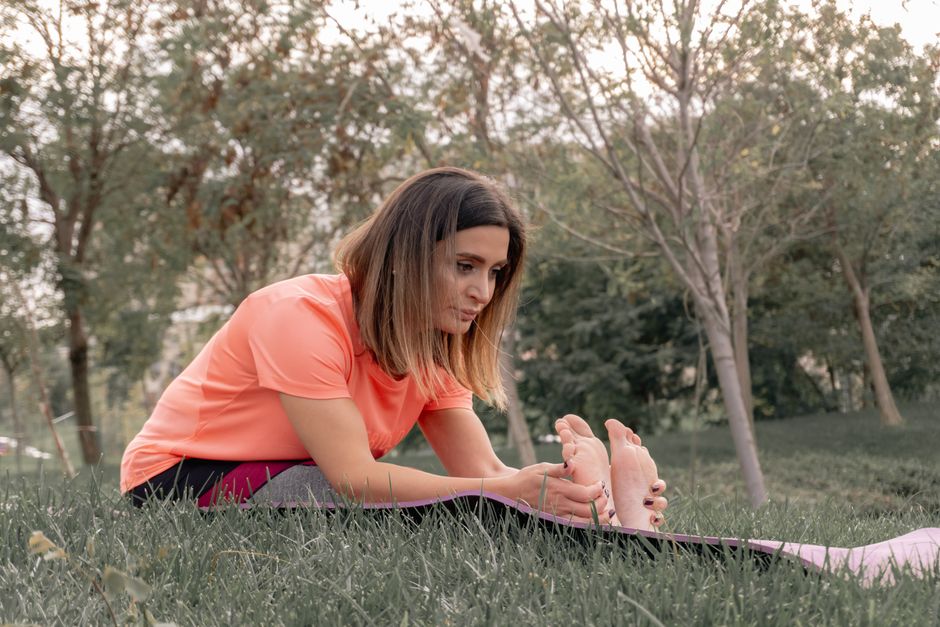
Some of the city’s most popular sleep preparation rituals are grounded in clinical research. For example, The Collective at Cass & Alexandrine runs a "Restorative Yoga + Nidra" class every Thursday at 7:30 p.m.—timed so participants finish just before most folks’ ideal bedtime window at 9 p.m. It isn’t just stretching. According to the National Institutes of Health, yoga nidra, a deep guided relaxation technique, has shown in studies to reduce time it takes to fall asleep by up to 50% compared to no wind-down routine. "When I come out, my mind is quiet, and my Fitbit always shows deeper sleep," Midtown resident Ashley Williams said after the last session.
On Woodward Avenue, 27th Letter Books hosts a “Screen-Free Story Hour” every other Monday at 8 p.m., for adults to listen to readings by soft lamplight, encouraging digital detox before bed—a practice the American Academy of Sleep Medicine strongly recommends. Detroiters pay $12 for a ticket, and the event is routinely sold out.
Sleep hygiene isn’t just a buzzword in Detroit. Sales at local mattress retailer Gardner-White’s Warren Avenue location are up 18% this year, largely driven by customers seeking upgrades like cooling memory foam or adjustable bases designed to improve sleep quality during hotter months. New City Health, a non-profit clinic in North End, has seen participation in its six-week sleep wellness workshops (enrollment: $40, sliding scale) jump by a third since last summer, per Executive Director Robin Mims.
Nationally, the CDC reported in 2025 that poor sleep is associated with a 30% increase in risk for chronic conditions such as hypertension in urban populations. In Detroit, the city’s most recent health dashboard (April 2026) noted that neighborhoods with the least sleep—especially older adults in Jefferson Chalmers and students in Southwest—also reported higher-than-average rates of anxiety and missed workdays.
But when sleep-friendly routines take hold, the impact is clear. According to Detroit Sleep Lab data shared in its spring 2026 patient report, participants practicing a consistent wind-down (such as dimming lights, no caffeine after 3 p.m., and 10 minutes of guided meditation) saw their sleep scores—measured by wearable trackers—improve by an average of 16% after three weeks.
Looking to overhaul your own evenings? Local sleep experts recommend a few core steps: unplugging from screens 60 minutes before lights-out; swapping out intense exercise for gentle stretching or Nidra yoga after 7 p.m.; and dimming lights to encourage melatonin release. For Detroiters without access to classes, several city libraries (including Main Branch on Gratiot and Douglass Branch in Northwest Goldberg) now offer free 20-minute guided relaxation audio downloads—just search “sleep” in the Hoopla app with your Detroit Public Library card.
As summer stirs up restless nights, Detroiters show there’s more to sleep wellness than just counting sheep. The city is building a new evening culture, one routine at a time—and the science says it’s working.
About this article
Published by The Daily Detroit
Spread the word
Daily brief
Free, in your inbox before 7am. Weekdays.
The Daily Network — local news across Australia