Wellness
Screen Time and Sleep: What the Research Actually Shows
New science is cutting through the noise on blue light, doomscrolling, and why Detroit's late-night scroll habit may be costing you more than just hours.
4 min read
Updated 1 h ago
Wellness
New science is cutting through the noise on blue light, doomscrolling, and why Detroit's late-night scroll habit may be costing you more than just hours.
4 min read
Updated 1 h ago
Put the phone down an hour before bed. You've heard it a thousand times. The actual science behind that advice, though, is more complicated — and more interesting — than the bumper-sticker version most wellness influencers peddle.
This matters right now because summer in Detroit brings longer days, looser schedules, and a documented uptick in irregular sleep patterns. The Wayne State University Sleep and Chronobiology Research Lab, based on the Eugene Applebaum College of Pharmacy and Health Sciences campus on East Canfield Street, has tracked seasonal sleep disruption in Metro Detroit residents for years. Their data consistently shows July as one of the worst months for sleep onset times — people are going to bed later but still waking at the same hour, shaving 45 minutes to an hour off total sleep on weeknights.
The blue light hypothesis — that the short-wavelength light emitted by smartphone screens suppresses melatonin production — is legitimate, but researchers increasingly argue it's been over-indexed as the primary villain. A 2023 meta-analysis published in Sleep Medicine Reviews examined 73 studies and found that psychological arousal from content — news feeds, social media arguments, work emails — delayed sleep onset by an average of 27 minutes more than blue light exposure alone did. In other words, it's less about the photons hitting your retinas and more about what your brain is doing with the information on the screen.
The distinction matters practically. Blue-light-filtering glasses and Night Shift modes on iPhones, which Apple introduced in iOS 9.3 back in 2016, have limited but real effects on melatonin. But neither does anything to stop your nervous system from getting worked up over a contentious Reddit thread at 11:45 p.m.
At the Henry Ford Health Sleep Disorders Center on West Grand Boulevard, clinicians have been integrating what they call "content hygiene" guidance into standard sleep consultations — advising patients not just when to stop using screens but what kinds of content to avoid in the 90 minutes before bed. High-stimulation content, including breaking news, competitive gaming, and social media comparison scrolling, triggers cortisol responses that can delay sleep onset for up to two hours regardless of screen brightness settings.
The practical response here in Detroit has been uneven. Some gyms and wellness centers are ahead of the curve. Detroit Bike City, which runs group rides out of Eastern Market on Saturdays, now includes a sleep hygiene segment in its monthly wellness workshops — organizers noticed riders showing up fatigued and tracked the problem back to late-night phone use. The workshops run $15 per session and have sold out three consecutive months.
The Detroit Public Library system added a digital wellness resource section to its MeLCat catalog in January 2026, including CBT-I workbooks — Cognitive Behavioral Therapy for Insomnia — which sleep specialists increasingly recommend over melatonin supplements for chronic screen-related sleep disruption. CBT-I has an 80 percent long-term success rate in peer-reviewed trials, compared to roughly 50 percent for sleep medication, and it doesn't require a prescription.
For Metro Detroit residents, the Centers for Disease Control pegs insufficient sleep — defined as fewer than seven hours per night — at 35 percent of American adults nationally. Michigan consistently runs slightly above that figure. The American Academy of Sleep Medicine puts the annual economic cost of sleep deficiency in lost productivity at $411 billion across the U.S.
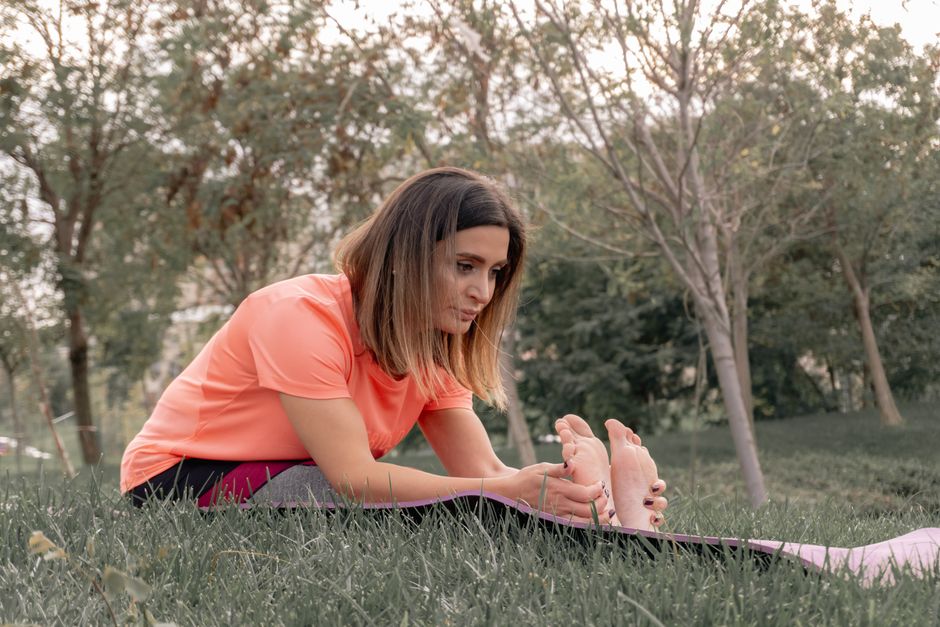
The practical upshot, grounded in the research rather than wellness mythology: a hard stop on news and social media at 90 minutes before bed matters more than whether your screen is in Night Shift mode. Physical wind-down — a walk through Midtown, a stretch session, even 20 minutes with a paperback — interrupts the cortisol loop that late-night screens trigger. Wayne State's program offers free public sleep health screenings twice a year; the next one is scheduled for September. Check the university's community health events page for registration, which typically opens eight weeks out. The library's CBT-I materials are available to any resident with a Detroit Public Library card, no appointment needed.
About this article
Published by The Daily Detroit
Spread the word
Daily brief
Free, in your inbox before 7am. Weekdays.
The Daily Network — local news across Australia