Wellness
How to Start a Walking Group in Your Neighbourhood
Detroit's sidewalks and greenways are ready — here's the step-by-step playbook for turning a solo stroll into a community movement.
4 min read
Updated 1 h ago
Wellness
Detroit's sidewalks and greenways are ready — here's the step-by-step playbook for turning a solo stroll into a community movement.
4 min read
Updated 1 h ago
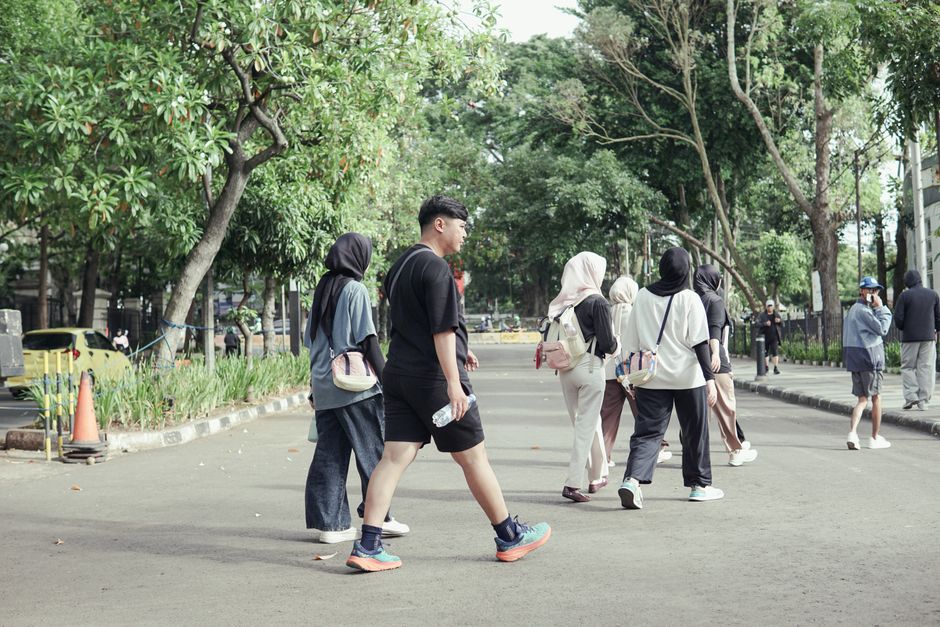
Detroiters are lacing up. Across neighbourhoods from Mexicantown to Indian Village, informal walking clubs have been quietly multiplying over the past two years, and public health advocates say the timing couldn't be better. July is National Parks and Recreation Month, and the city's Department of Parks and Recreation is actively encouraging residents to self-organize walking groups through its Detroit Active Living initiative — no permit, no fee, no complicated paperwork required for groups under 25 people using public greenways.
The appeal is straightforward. Gas prices remain high, gym memberships at chain fitness centres average around $45 a month in the metro area, and the social isolation hangover from the pandemic years hasn't fully lifted. A walking group costs nothing to start and, research consistently shows, dramatically improves the odds that participants actually stick with physical activity long-term. A 2023 study published in the British Journal of Sports Medicine found that people who walked in organized groups were 24 percent more likely to maintain a regular exercise habit after six months than solo walkers. The social contract — knowing someone is waiting at the corner — changes behaviour.
Before you recruit a single neighbour, walk the route yourself twice. Detroit has several genuinely excellent options depending on your ZIP code. The Dequindre Cut Greenway, running roughly 1.35 miles from Mack Avenue down to the Detroit RiverWalk, is paved, well-lit, and accessible from Eastern Market on weekends when foot traffic is already high. For westside residents, Rouge Park on Joy Road offers more than 12 miles of trail with shade cover — critical during Detroit's humid July and August mornings. Both locations have free parking and public restrooms, which matters more than people admit when you're trying to attract neighbours in their 50s and 60s.
Pick a route that's three miles or under to start. That's roughly an hour at a comfortable conversational pace — long enough to feel meaningful, short enough that newcomers don't dread it. Mark the turnaround point clearly in your first group message so nobody feels trapped.
Recruitment is simpler than organizers expect. A flyer posted at the Avalon International Breads bakery on Willis Street in Midtown or tacked to the community board at the Detroit Institute of Arts on Woodward Avenue reaches a genuinely mixed demographic. Nextdoor, the neighbourhood social network, has active Detroit boards and allows free event posting — a single post in the right neighbourhood group can pull 15 to 20 interested people within 48 hours based on typical local engagement rates.
Show up 10 minutes early on day one. Introduce yourself to each person individually before the group moves. Set a pace by asking openly who's a beginner — never assume. Experienced organizers with Detroit's Black Girls Run chapter, which has held Saturday morning meetups at Belle Isle since 2019, consistently say the first walk determines whether people come back. Keep the conversation going, keep the pace accessible, and end on time.
Handle logistics with a free group chat. Signal or WhatsApp both work well. Share the meeting spot — a specific landmark, not just a street name. The fountain at the north end of the Dequindre Cut near Gratiot Avenue is a reliable landmark that GPS handles cleanly. Commit to a fixed day and time: Sunday mornings at 8 a.m. outperform Saturday in retention, according to organizers with Detroit's Friends of the Rouge volunteer network, because Saturday mornings compete with errands and farmers markets.
As numbers grow past 15 or 20 regular walkers, connect with the Detroit Greenways Coalition, which can link neighbourhood groups with mapped routes, safety resources, and occasional group events. Their website lists contact information and upcoming community walks through the fall season. For any participants managing chronic conditions, the standard advice holds: check with a physician or nurse practitioner before significantly ramping up physical activity. Henry Ford Health and Detroit Medical Center both operate community clinics across the city with extended weekday hours.
The first step is genuinely the hardest. Pick a Saturday in July, post the flyer, and stand at the corner. The neighbourhood tends to show up.
About this article
Published by The Daily Detroit
Spread the word
Daily brief
Free, in your inbox before 7am. Weekdays.
The Daily Network — local news across Australia