wellness
Detroit Experts Share Five Science-Backed Stress Relief Techniques
Detroit's wellness community is pushing back against burnout with methods that science actually backs up.
How we reported this
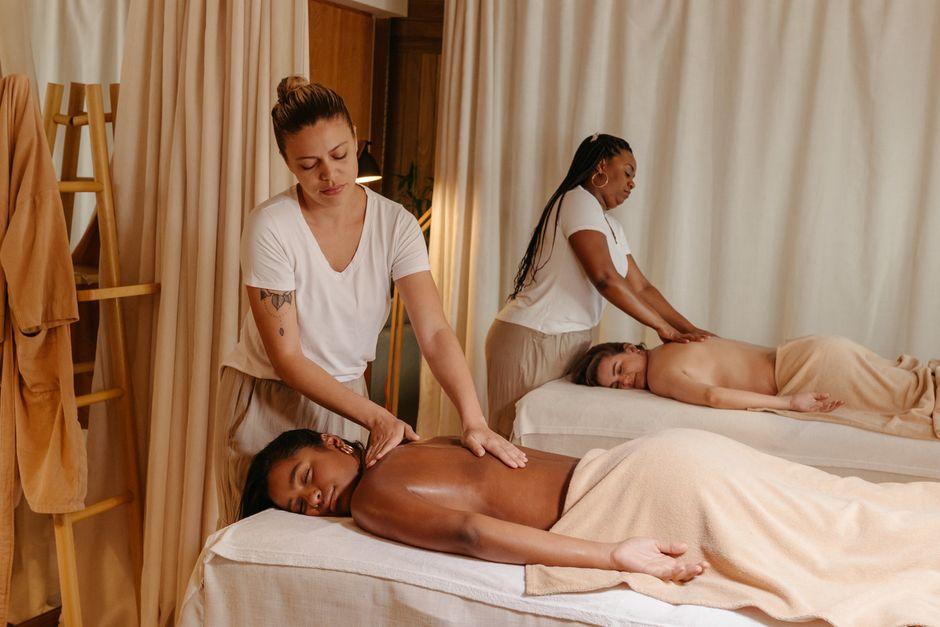
Chronic stress is measurable, treatable, and, according to the American Psychological Association's 2025 Stress in America report, still affecting roughly 77 percent of U.S. adults who report physical symptoms tied directly to it. That number hasn't budged much in a decade. What has changed is how seriously Detroit's health community is taking the response.
The timing matters. Metro Detroit's economy has been through a sustained stretch of housing cost pressure, labor uncertainty, and post-pandemic re-entry fatigue. Community health workers at Detroit Wayne Integrated Health Network, which serves more than 50,000 residents annually across Wayne County, say stress-related intake inquiries climbed noticeably through the first half of 2026. The network's crisis line logged a record contact volume in March. Against that backdrop, the case for practical, evidence-grounded tools has never been more urgent.
None of what follows requires a prescription. All of it has peer-reviewed support. A local clinician, not this column, is the right resource for anything more serious, but these five techniques are a credible starting point.
What the research actually supports
1. Box breathing. The U.S. Navy SEALs didn't popularize this by accident. Inhale for four counts, hold four, exhale four, hold four. A 2023 study in Cell Reports Medicine found that just five minutes of this cyclic breathing pattern lowered self-reported anxiety scores more effectively than mindfulness meditation in a head-to-head trial. No app required. No cost.
2. Progressive muscle relaxation. Developed by physician Edmund Jacobson in the 1920s and still used in clinical settings, PMR involves tensing and releasing muscle groups sequentially from feet to forehead. The Henry Ford Health system, headquartered on West Grand Boulevard in New Center, includes PMR in several of its behavioral health programs. Research published in the Journal of Clinical Psychology links regular practice to reduced cortisol levels within two weeks.
3. Time-in-nature exposure. A University of Michigan study, this one conducted right here, using the university's own urban green spaces, found that 20 minutes in a natural setting lowered cortisol by an average of 21 percent. Belle Isle State Park, three miles from downtown via the MacArthur Bridge, is free to enter with a Recreation Passport ($13 annually for Michigan residents). The Dequindre Cut Greenway offers a more urban alternative, running 1.35 miles through Poletown East and connecting Eastern Market to the riverfront.
4. Cognitive reappraisal. This is not positive thinking. It's a specific technique, developed within cognitive behavioral therapy, that involves deliberately reframing a stressor's meaning without denying its existence. Detroit's Jewish Family Service on West Maple Road in Bloomfield Hills offers CBT-based stress workshops on a sliding-scale fee structure, with sessions starting as low as $20 for qualifying participants. The American Psychological Association classifies cognitive reappraisal as a Tier 1 evidence-based intervention for generalized stress.
5. Social prescribing. This one is newer to clinical conversation in the U.S. but has decades of data from European health systems. The core idea: structured social connection, group exercise, volunteer work, community classes, reduces allostatic load, the cumulative wear stress puts on the body. Detroit's Recreation Department runs more than 30 community fitness programs across its parks network through summer 2026, including free yoga at Palmer Park on Wednesdays at 6 p.m. Participation in group physical activity two or more times per week is associated with a 22 percent lower risk of depression, according to a 2024 meta-analysis in The Lancet Psychiatry.
Getting started without getting overwhelmed
The trap with stress-management advice is that the list itself becomes stressful. Pick one technique. Give it three weeks, roughly 21 days, which is the minimum duration most behavioral researchers use to detect habit formation effects. Box breathing is the lowest barrier to entry; it costs nothing and takes under five minutes.
If daily stress has crossed into something that disrupts sleep, relationships, or work function for longer than two weeks, Detroit Wayne Integrated Health Network's main intake line is 800-241-4949. That call is confidential and covered under Michigan Medicaid. The tools above work best as prevention. They are not a substitute for professional support when prevention has already been outrun.