Wellness
Walking Meditation: How to Turn Your Daily Walk Into Mindfulness
Detroit's trails, riverfront paths, and neighborhood sidewalks are becoming outdoor meditation studios — no app subscription required.
4 min read
Wellness
Detroit's trails, riverfront paths, and neighborhood sidewalks are becoming outdoor meditation studios — no app subscription required.
4 min read
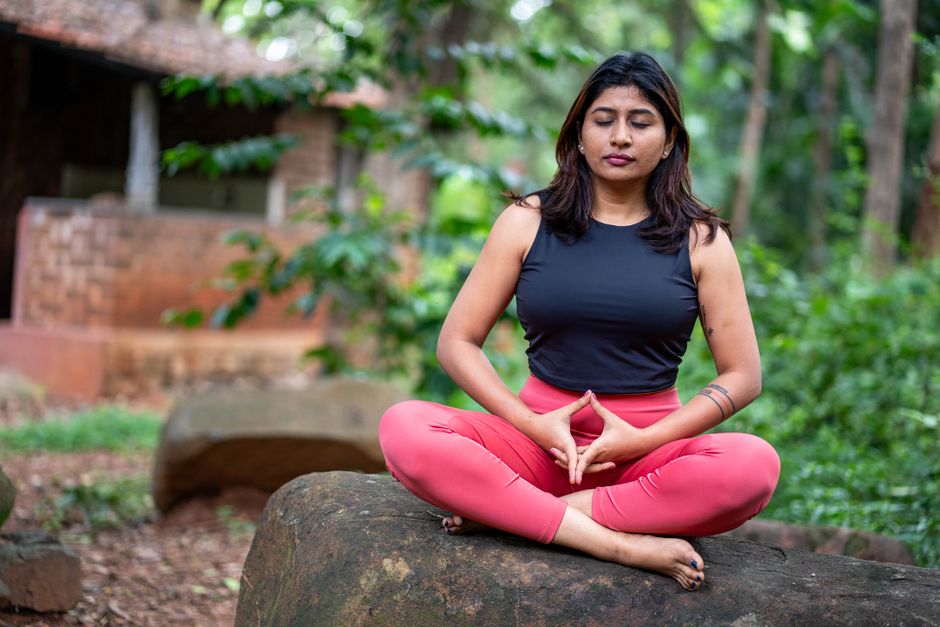
More Detroit residents are ditching the cushion and taking their mindfulness practice outside, using deliberate, slow-paced walking as a form of moving meditation that mental health advocates say can be just as effective as seated practice. The shift is happening quietly — along the Detroit Riverfront Greenway, through Midtown's tree-lined side streets, and on the gravel paths of Belle Isle State Park — but wellness instructors across the city say demand for walking-based mindfulness instruction has climbed noticeably since early 2025.
The timing makes sense. Screens have multiplied, work-from-home arrangements have compressed the physical distance between stress and sleep, and the sheer cost of living has people looking for free or low-cost tools to manage anxiety. A 2024 study published in JAMA Network Open found that just 20 minutes of mindful outdoor walking three times per week reduced self-reported anxiety scores by roughly 18 percent over eight weeks — results comparable to structured seated meditation programs costing participants hundreds of dollars per year. For a city working hard to rebuild both its physical infrastructure and its population's mental health, that arithmetic matters.
Belle Isle is the obvious starting point. The 982-acre island park in the Detroit River draws joggers and cyclists year-round, but its quieter western shoreline trail, running parallel to the Inness Playground area, offers something rarer in an urban environment: genuine sensory contrast. Instructors affiliated with the Detroit Mindfulness Project, a nonprofit operating out of Midtown since 2019, have been leading free Saturday morning sessions at Belle Isle since April, drawing between 15 and 40 participants depending on weather. Sessions run 45 minutes and require no prior experience.
The Detroit Riverfront Conservancy's continuous Riverwalk — now stretching roughly 3.5 miles from the Ambassador Bridge toward the Dequindre Cut — doubles as a practical corridor for solo practice. The Cut itself, the sunken rail-line greenway connecting Eastern Market to the riverfront, is particularly well suited. Its below-street-level position muffles traffic noise and the 1.2-mile length gives walkers enough distance to settle into a rhythm without doubling back immediately. The Conservancy reported more than 8 million visits to its greenway network in 2024, its highest figure since the Riverwalk expansion completed in 2017.
Mindfulness Detroit, a studio on Cass Avenue near Wayne State University, added a six-week "Moving Awareness" course to its summer schedule in June 2026, priced at $95 for the full series or $18 drop-in. The curriculum draws on Buddhist walking meditation traditions — specifically the Theravada practice of kinhin — adapted for urban environments where straight, uninterrupted paths aren't always available.
The mechanics are simpler than most people expect. The practice centers on deliberate attention, not speed or distance. Begin by standing still for 30 seconds before moving, noticing the pressure of the ground under both feet. Walk at roughly half your normal pace. Fix attention on the physical sensations of each step — the heel lifting, the foot swinging forward, the ball of the foot making contact. When the mind wanders to a to-do list or a notification, acknowledge it without judgment and return to the sensation of walking. That's the entire technique.
Instructors suggest starting on a route you already know well, so route-finding doesn't compete for cognitive bandwidth. A loop around Palmer Park in the University District, roughly 1.3 miles, works well for this reason. So does a slow circuit of Eastern Market's sheds on a non-Saturday morning, when the blocks between Shed 2 and Shed 5 are quiet enough to hear your own footsteps.
The practical advice from experienced practitioners is consistent: keep the phone in a pocket rather than your hand, choose a time of day when you're not pressed for a destination, and commit to a minimum of 10 minutes before judging whether it's working. For Detroiters who already walk to work, commute routes along Woodward Avenue or through New Center offer ready-made laboratories — no detour required, just a shift in attention. The Detroit Mindfulness Project posts free audio guides on its website for people who want structured prompts until the habit takes hold. Consulting a local therapist or wellness professional is worth considering for anyone managing clinical anxiety or depression, but as a daily maintenance practice, the entry cost is essentially zero.
About this article
Published by The Daily Detroit
Spread the word
Daily brief
Free, in your inbox before 7am. Weekdays.
The Daily Network — local news across Australia