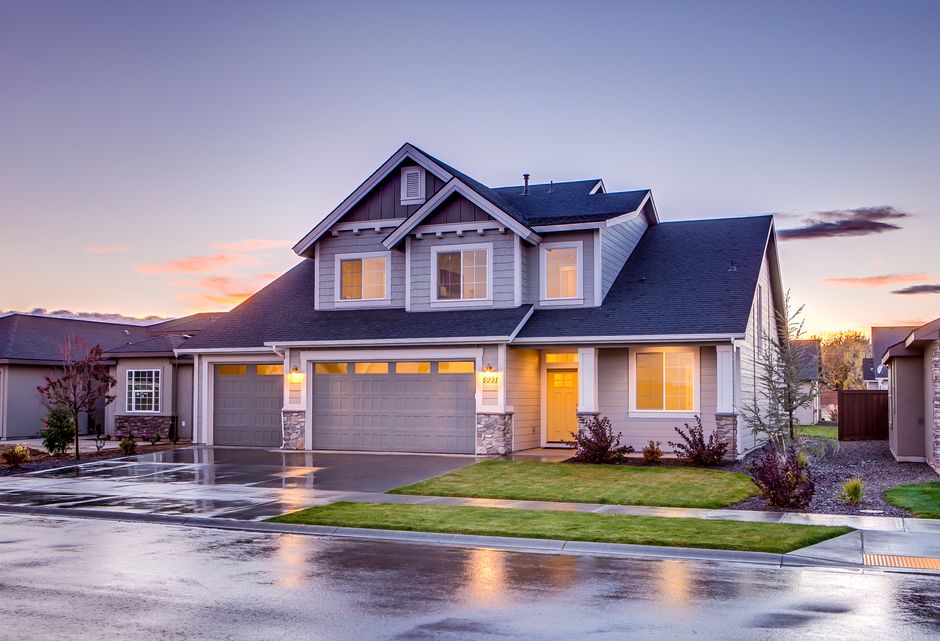
The median home sale price in Detroit proper crossed $95,000 in the first quarter of 2026, but in Midtown and Corktown — the two neighborhoods drawing the most buyer competition — entry-level single-family homes routinely list above $280,000. For a first-time buyer needing a conventional mortgage at today's 6.8 percent rate, that translates to a monthly payment well north of $1,800 before taxes and insurance. The math is pushing a growing number of residents toward a new option: build-to-rent communities designed from the ground up for long-term tenants rather than eventual owners.
This matters right now because Detroit's rental stock has long been bifurcated — either subsidized affordable units with long waitlists or older market-rate apartments in converted warehouses and walk-ups that were never intended to function as permanent homes. Build-to-rent, a model that proliferated in the Sun Belt over the past five years, is arriving in southeast Michigan with a different pitch: professional management, in-unit amenities, and lease flexibility that older stock simply cannot match. With the Fourth of July weekend bringing a brutal heat wave that has forced outdoor events across the Midwest to cancel, the timing is a reminder that climate-resilient housing — think central HVAC, modern insulation, energy-efficient windows — is no longer a luxury ask.
What the New Projects Are Actually Delivering
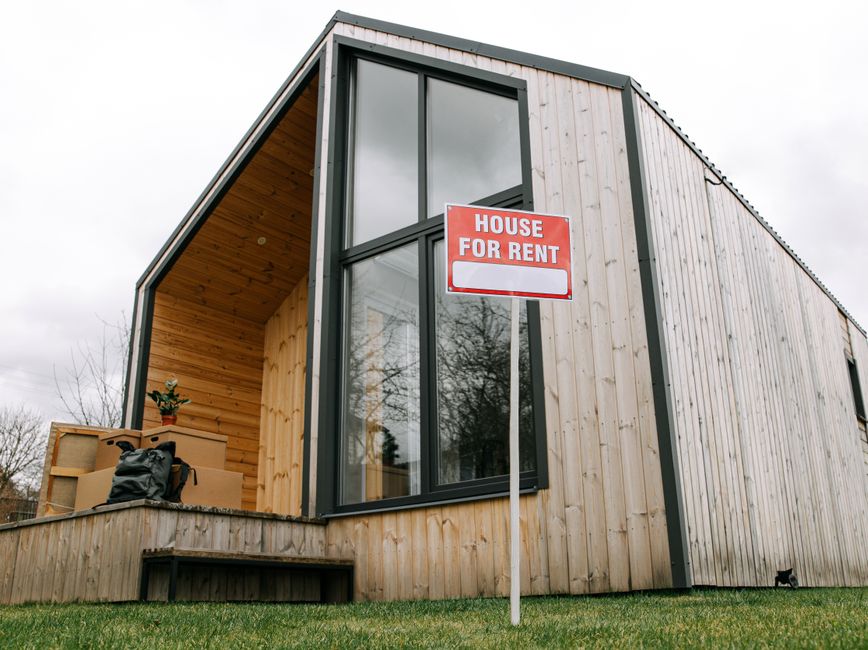
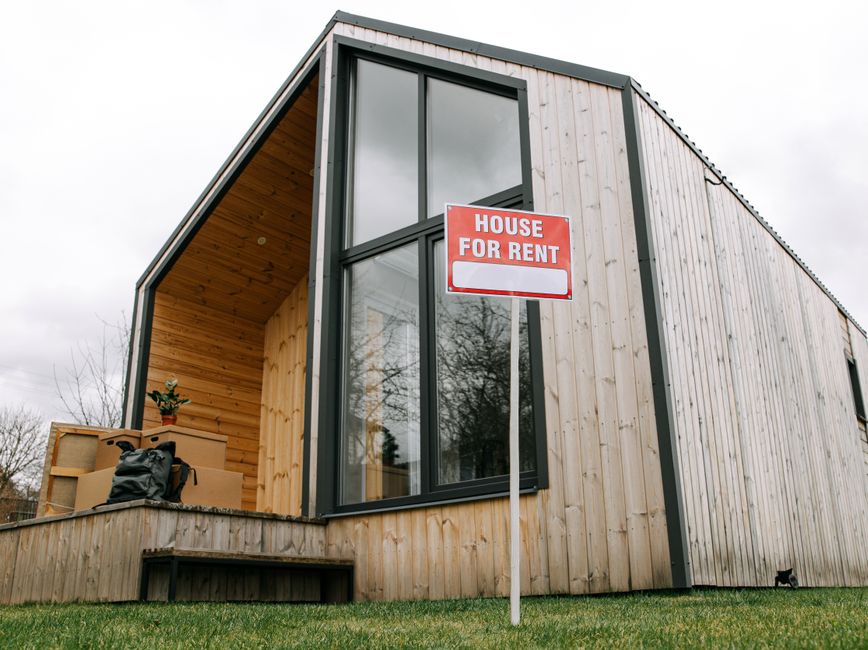
Two developments are drawing the most attention from local housing advocates. The Brush Park Commons project, a 214-unit build-to-rent community on Erskine Street developed by a joint venture involving Detroit-based Develop Detroit, is scheduled to deliver its first units in the fourth quarter of 2026. Monthly rents are projected to start at $1,350 for a one-bedroom and reach $2,100 for a three-bedroom — numbers that undercut Midtown condo ownership costs but sit above the city's median asking rent of $1,050, according to CoStar data from May 2026. The trade-off tenants are being asked to make is paying a premium in exchange for on-site maintenance response times guaranteed in the lease, package lockers, and a rooftop deck with Downtown Detroit views.
On the west side, a second project anchored near the corner of West Grand Boulevard and Tireman Avenue is being brought forward through a partnership with the Southwest Detroit Business Association. That 96-unit community is smaller and targets households earning between 80 and 120 percent of Area Median Income — roughly $52,000 to $78,000 for a single person in Wayne County in 2026. Both projects use Detroit's obsolete property rehabilitation (OPR) tax exemption program, which caps property taxes for qualifying new construction for up to 10 years, a tool that developers argue makes the rent levels possible without additional subsidy.
Renting vs. Buying: The Real Numbers
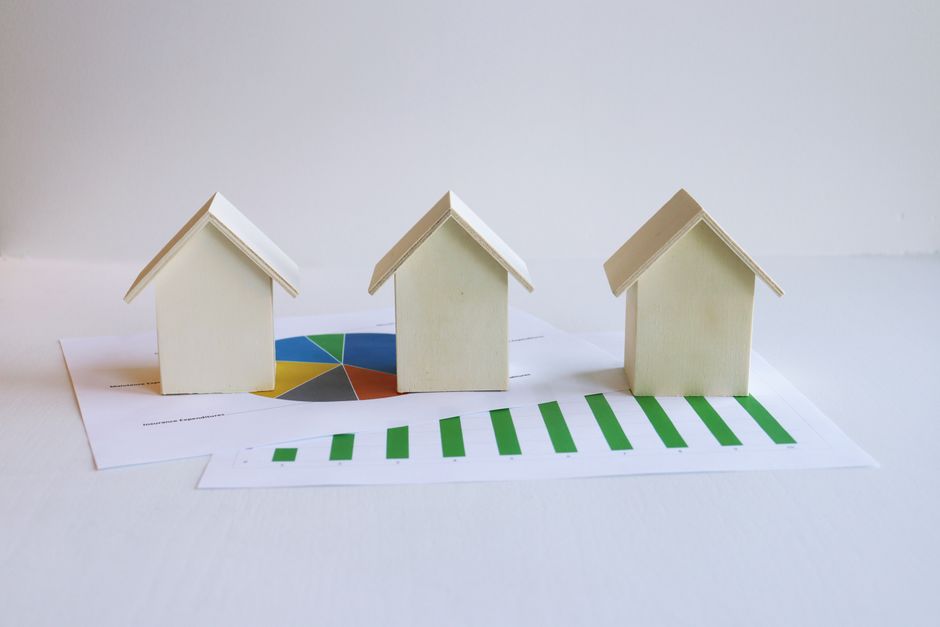
The affordability gap is real but uneven. A buyer purchasing at $280,000 with a 10 percent down payment faces roughly $2,050 a month in principal, interest, and estimated taxes. A renter in a new build-to-rent unit pays $1,350 to $2,100 depending on unit size, but avoids repair costs, property tax exposure, and the $28,000 down payment that keeps many Detroit residents locked out of ownership entirely. The Urban Institute estimated in March 2026 that 41 percent of Detroit renters have less than $5,000 in total savings — a figure that makes the down payment barrier decisive rather than theoretical.
Build-to-rent is not a path to equity. A tenant in Brush Park Commons will not accumulate ownership stake over five years of rent payments, a fact that housing counselors at Southwest Solutions on Springwells Street are careful to emphasize when residents ask about the new projects. For households with stable income but limited savings, the model buys time and comfort. For those who can save aggressively while renting — putting aside $400 to $600 a month in a dedicated account — the three-to-five year lease horizon on a build-to-rent unit can function as a runway toward a conventional mortgage rather than a permanent alternative to one.
Both Brush Park Commons and the West Grand Boulevard project are accepting pre-leasing inquiries beginning this fall. Prospective tenants should contact Develop Detroit directly and verify whether their income qualifies for the AMI-tiered units on the west side before assuming market-rate pricing applies. The OPR tax benefit attached to both projects sunsets after a decade, meaning rents could reset upward after 2036 — a timeline worth factoring into any long-term housing plan.