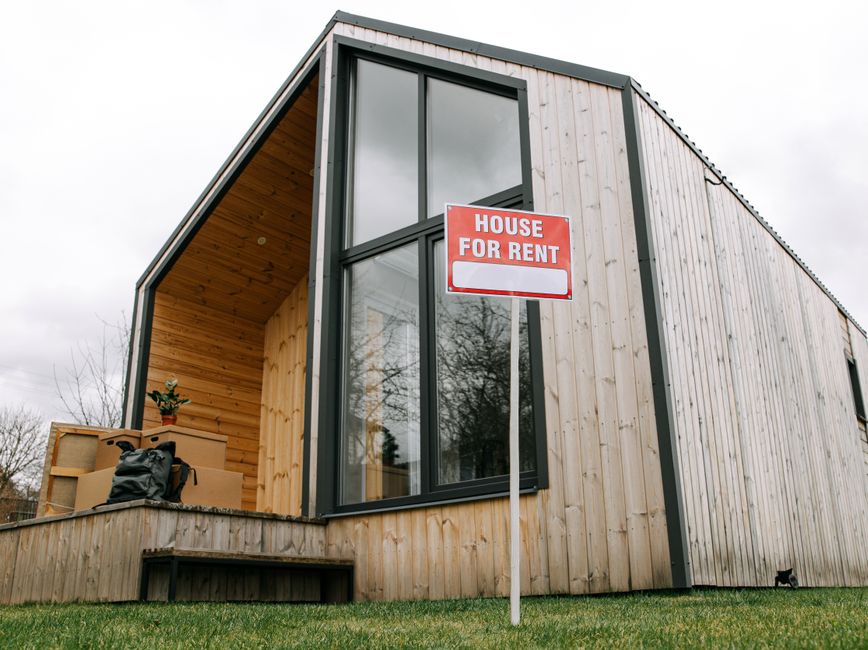
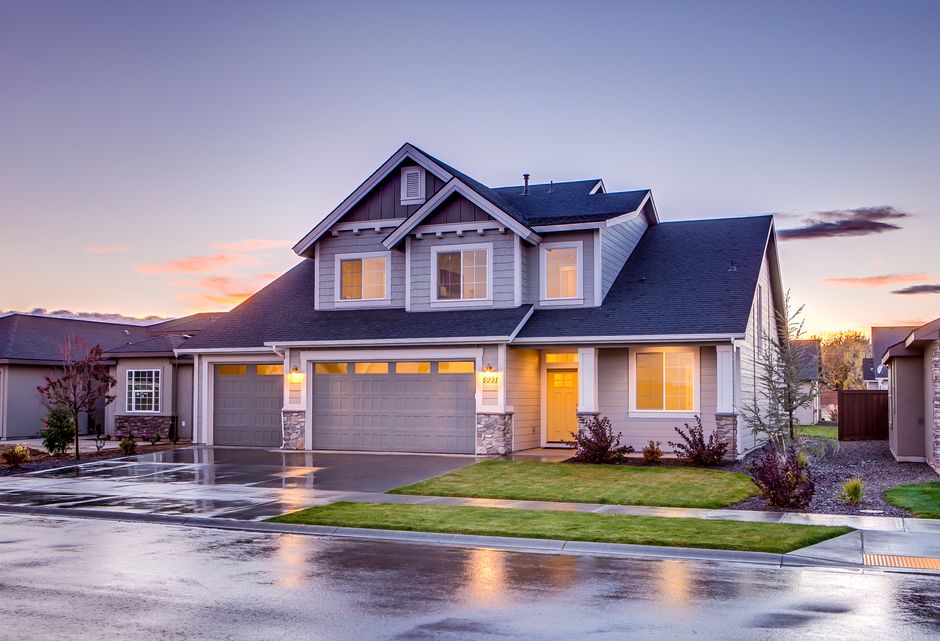
The numbers are unambiguous. A two-bedroom condo in Midtown Detroit is listing close to $320,000 in mid-2026, while a fully occupied duplex two miles northeast in Hamtramck can still be purchased for under $140,000. That gap is exactly why financial planners and real estate brokers across the metro are talking up rent-vesting — the strategy of renting where you want to live while buying an investment property in a more affordable, higher-yield pocket of the same market.
The strategy isn't new. But Detroit's particular combination of conditions has made it more relevant here than at almost any comparable Midwestern city right now. Mortgage rates have stabilized in the mid-6 percent range through the first half of 2026, pricing out first-time buyers in the neighborhoods they actually want to inhabit. Meanwhile, the city's rental vacancy rate has tightened to roughly 5.5 percent according to data tracked by the Detroit Housing Commission, keeping landlord returns healthy even as purchase prices have climbed. The result: a person who can't comfortably afford to buy in Corktown or the North End can still enter the property market in a zone where the yield math actually works.
Where the Strategy Actually Works in Detroit
Hamtramck remains the most cited example among local investment brokers. The independent city entirely surrounded by Detroit proper has seen median home prices rise from around $85,000 in 2022 to approximately $128,000 today — substantial appreciation, but still well below the threshold that breaks rental yields. A two-unit property bought for $135,000, renovated modestly, and rented at current market rates of roughly $950 per unit per month generates a gross yield above 16 percent before expenses. That is not a number you find on East Jefferson Avenue or in the Villages.
Detroit's east side neighborhoods — particularly the stretch along Mack Avenue between Gratiot and the Grosse Pointe border — are also drawing rent-vestors. The nonprofit Southwest Housing Solutions has documented increased investor interest in the 48214 zip code through its homeownership counseling intake numbers, noting that a larger share of inquiries in early 2026 are coming from people asking not how to buy a primary residence, but how to structure a first rental purchase while continuing to rent elsewhere. The Detroit Land Bank Authority still lists hundreds of side-lot and buildable properties at its periodic auctions, some opening below $10,000, giving more sophisticated investors another entry point.
The lifestyle logic is equally straightforward. A marketing manager who rents a renovated apartment on Woodward Avenue near Wayne State University for $1,400 a month preserves flexibility and avoids the $6,200-plus annual property tax bill that comes with owning a comparable unit. She buys a three-bedroom in the North End for $89,000, collects $1,100 a month in rent, and lets a tenant cover most of her mortgage. Her equity accrues. Her commute doesn't change. Her liquidity stays intact.
The Risks This Market Doesn't Eliminate
Rent-vesting carries real exposure that boosters sometimes understate. Detroit landlords face above-average property tax assessment volatility — the city's assessor has revised valuations sharply upward in several neighborhoods since 2023, cutting into projected yields on properties bought at older, lower prices. Delinquency and eviction proceedings in Wayne County's 36th District Court have lengthened since pandemic-era backlogs were only partially cleared, meaning a non-paying tenant can cost a small landlord three to five months of lost rent before a writ of restitution is executed.
Buyers also need to stress-test their assumptions about renovation costs. A Hamtramck duplex listed at $130,000 frequently requires $30,000 to $50,000 in mechanical and cosmetic work before it meets city rental certificate-of-compliance standards. The Detroit Building Authority has increased inspection frequency in several target zones, which is good for tenants and good for neighborhood stability, but it compresses the margin for investors who penciled in a flip-and-rent on a tight budget.
The practical advice from brokers working both sides of this market: run the numbers on a worst-case vacancy of four months in year one, budget 15 percent of gross rents for maintenance, and talk to a tax professional before July 31 — the deadline for filing a personal property tax exemption claim that could save a small landlord several hundred dollars annually. Rent-vesting works in Detroit. It just works best when you don't confuse a favorable market with a forgiving one.