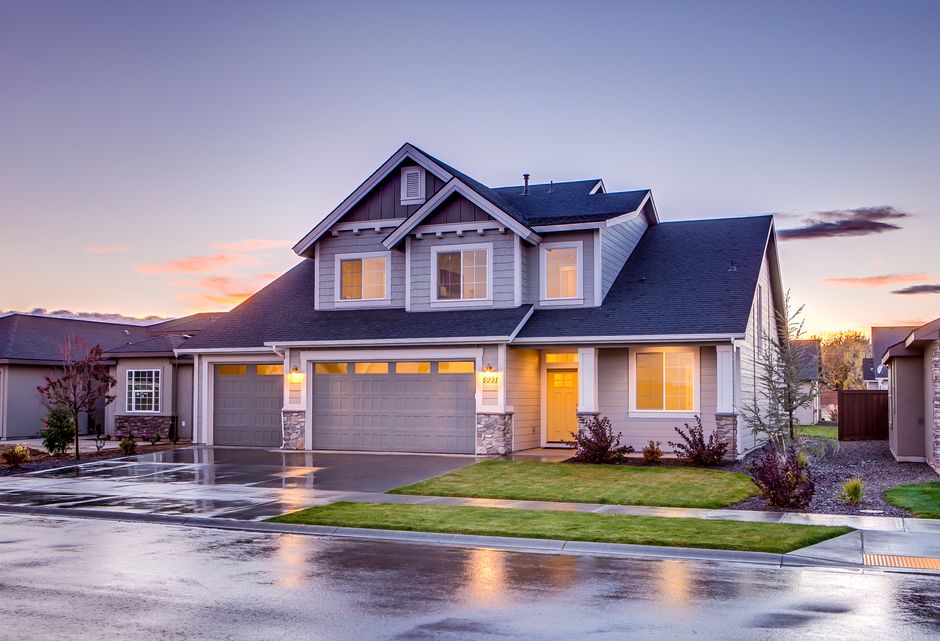
Homes on the water in St. Clair Shores are selling faster than almost anywhere else in Wayne and Macomb counties right now. The lakefront community along Lake St. Clair posted a median sale price of $387,000 in June 2026, up from $328,000 in January — a 17.9 percent climb in six months that has real estate agents talking and spreadsheet-minded investors circling the market.
The timing matters. Metro Detroit's broader housing stock remains tight, with the Southeast Michigan Council of Governments estimating the region is roughly 35,000 units short of demand. When a suburb offers genuine waterfront access, a functioning commercial strip and commute times under 30 minutes to downtown Detroit via I-94, buyers stop debating and start bidding. St. Clair Shores checks all three boxes, and the numbers are starting to reflect it.
What's Driving the Momentum on Jefferson Avenue
The suburb's main commercial artery, Jefferson Avenue North — marketed locally as the Nautical Mile — runs about a mile through the city's southern tip and has seen three new restaurant openings since March. The stretch, lined with boat launches, seafood spots and marinas including the longtime anchor Skipper's Landing, draws weekend traffic from Grosse Pointe, Warren and as far as Rochester Hills. That foot traffic translates to demand. Buyers looking at a two-bedroom canal home near Lange Road are competing against three or four offers, according to recent Multiple Listing Service data compiled by the Greater Metropolitan Association of Realtors.
The Michigan State Housing Development Authority's Step Forward Michigan program has also funneled down-payment assistance into Macomb County, making entry-level canal properties — those in the $280,000 to $320,000 range off Jefferson — accessible to buyers who would have been priced out of Grosse Pointe Park or Indian Village. That demand floor is helping push prices upward even on smaller lots.
Inventory is the crux of the story. Active listings in St. Clair Shores sat at 87 single-family homes as of July 1, down from 134 at the same point in 2024. Days on market averaged 11 for properties with direct water access, compared to 34 days for inland homes in the same zip codes. Those are numbers that describe a seller's market without much ambiguity.
What Buyers and Investors Should Know Before Moving
Canal properties carry costs that lakefront prices don't always advertise upfront. Seawall maintenance on older homes — many built in the 1950s and 1960s along Jefferson Beach Drive and nearby canals — can run $15,000 to $40,000 depending on condition. Flood insurance through the National Flood Insurance Program adds a meaningful line item to monthly costs, typically $1,200 to $2,400 annually for a standard canal-front parcel in Macomb County.
Investors targeting short-term rentals should know St. Clair Shores passed an updated rental registration ordinance in February 2026 requiring annual inspections and a $150 permit for any property rented for fewer than 30 consecutive days. The ordinance has not capped the number of permits, but enforcement is active and violations carry fines starting at $500 per occurrence.
For longer-term holders, the upside case is straightforward: St. Clair Shores offers roughly 13 miles of Lake St. Clair shoreline and canal access that simply cannot be replicated further inland. Grosse Pointe Shores, the closest comparable market to the south, has a median sale price already above $640,000, suggesting St. Clair Shores still carries a significant discount for similar recreational amenities. That gap tends to close, not widen, in tight-inventory markets.
The practical advice is blunt: buyers who have been watching the Nautical Mile corridor should run their numbers now. Pre-approval letters that expire in 90 days may need renewing by the time a suitable listing hits the market. And anyone banking on a seasonal price softening this fall should look at last year's data — prices in St. Clair Shores held within two percent of their summer peak through December 2025. The lake doesn't go anywhere. Neither, apparently, does the demand.