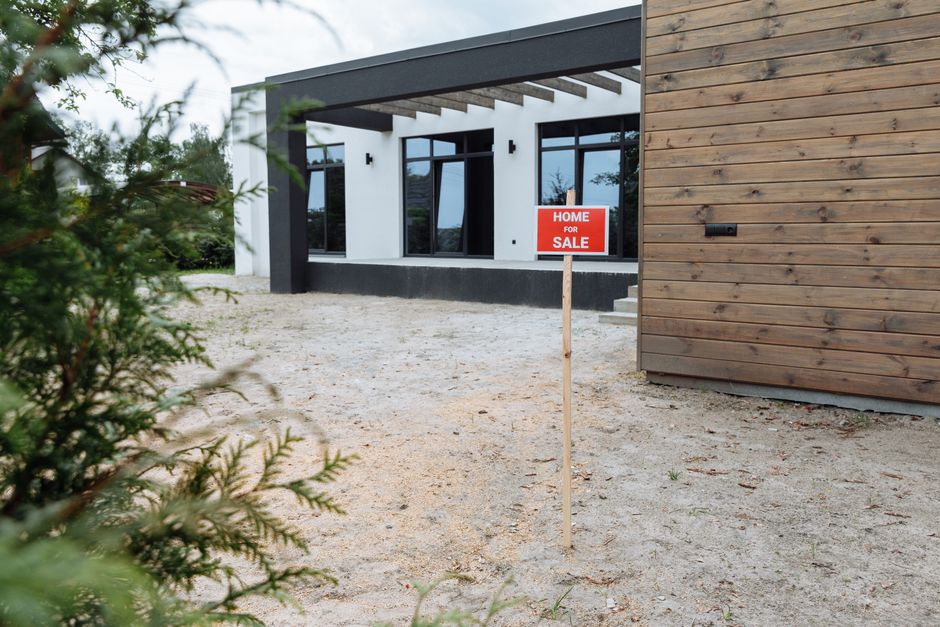
New homebuyers in Detroit have a powerful tool in their arsenal this summer: the city-backed shared equity scheme, now rolling out in neighborhoods from Jefferson Chalmers to Bagley. It promises to lower the barrier for entry onto Detroit’s property ladder—without trapping buyers in endless rent cycles or high-interest private loans.
The launch comes as prices have risen sharply in core neighborhoods and local incomes are struggling to keep pace. Dozens of local Fourth of July events were canceled this week because of historic heat, but the squeeze facing renters and would-be homeowners shows no signs of letting up in July. The fresh expansion of shared equity initiatives could change the math for hundreds of residents who in the past would have been stuck on the sidelines.
For example, a buyer purchasing a $160,000 home in East English Village could put down $4,800 (3%), with the city placing $27,200 (17%) through the program. In return, when the property is eventually sold, the city recoups its share of any increase in value. The scheme works alongside other existing packages, such as the Homebuyers Assistance Program and federal grants administered locally through Wayne County.
Detroit’s new pilot covers qualifying properties below $225,000 in neighborhoods earmarked for stabilization. Homes along West Grand Boulevard, Rosa Parks Boulevard, or even in long-disinvested areas like Warrendale, are in play, as long as they meet quality and occupancy standards. Applications opened in May 2026, with the first cohort of 50 homes closing by September, according to city planning documents reviewed by The Daily Detroit.
Real Numbers, Real Impact
The reason this matters is stark: The median sales price for a home in Detroit hit $104,000 in June, according to Realcomp MLS data—a 13% jump year-on-year, and well above the city’s pre-pandemic average. In zip code 48215, which covers neighborhoods close to the Detroit River, there are now over 180 active listings under $200,000, but intense demand and tight credit have left thousands just short of realistic purchasing power.
"There’s been a sharp increase in first-timers unable to compete with cash buyers," said a local mortgage consultant with experience on Kercheval Avenue, speaking confidentially. The shared equity model targets exactly these Detroiters: those with stable income, steady rental history, but not enough for a large conventional down payment.
Grants and support are prioritized for buyers with household incomes under $85,000 (for a family of four), and there’s extra help for city employees and teachers. Participants must commit to living in the home for at least five years—flippers and investors remain shut out.
Next Steps: How to Apply—and What to Watch
Prospective buyers should start by speaking with the Detroit Housing Network, which manages prescreening calls at (313) 784-9900 and coordinates workshops every Tuesday at the Center for Working Families on Mack Avenue. Local agents operating in Grandmont and Fitzgerald neighborhoods are now prepping clients to gather eligibility documents, including income verification, proof of residency, and a completed HUD-certified homebuyer education course.
With applications surging since June’s soft launch, demand is likely to outstrip supply this summer. City officials told The Daily Detroit that a second round will open in October, with expanded funding for homes north of Seven Mile and in pockets of Corktown.
For Detroiters priced out of ownership but determined to stay in the city, the shared equity scheme offers a reset—albeit one requiring patience and plenty of paperwork. For now, the message is clear: if you want a shot at homeownership in today’s Detroit, lining up your financials and jumping in early is essential. Grants, partnerships, and a little city equity may finally bridge the gap where traditional loans have failed.