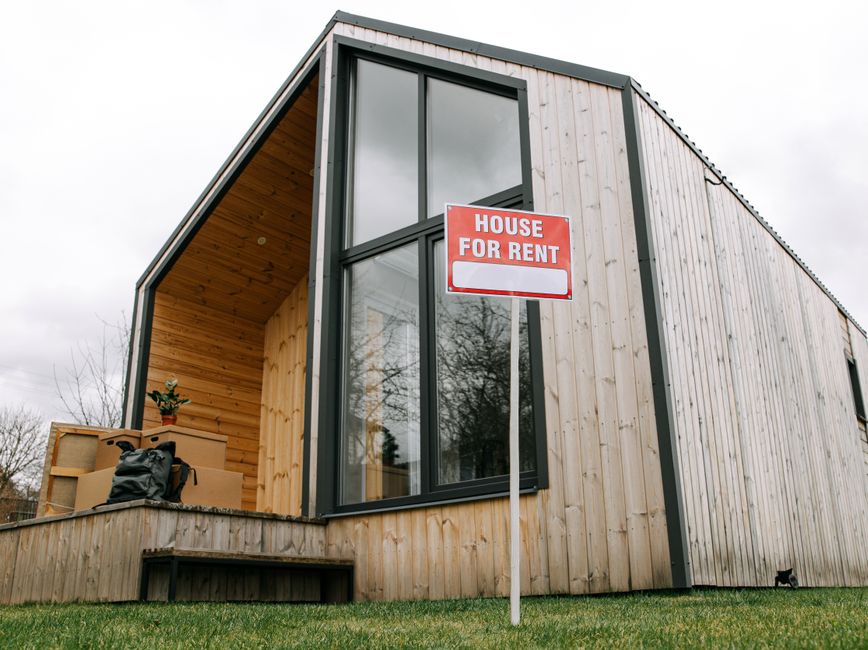
Detroit's housing market entered July 2026 with a split personality. Inventory ticked up for the third consecutive month, yet median sale prices in several core neighborhoods held firm above $180,000 — a benchmark the city hadn't reliably cleared until late 2024. The driver behind the tension: a broad repricing of Federal Reserve rate-cut expectations that is pushing some buyers to move now and convincing others to sit tight just a little longer.
The Fed has held its benchmark rate at 4.75 percent since March, and futures markets heading into the holiday weekend were pricing in roughly a 60 percent chance of a quarter-point cut by September. That's a sharper shift than analysts anticipated three months ago, and mortgage brokers across Metro Detroit say the change in tone — even without an actual cut — is enough to alter household math. The 30-year fixed rate on conventional loans has edged down to around 6.4 percent from a peak of nearly 7.2 percent last autumn. That difference amounts to roughly $150 a month on a $220,000 loan, which in Detroit is not a rounding error.
What the Shift Looks Like on the Ground
In Indian Village — where brick colonials on Seminole Street routinely list above $350,000 — agents are reporting competitive offers again after a quieter winter. Three homes on Burns Avenue closed above asking price in June alone, according to data filed with the Detroit Association of Realtors. Buyers there tend to be dual-income households with strong credit scores, exactly the cohort sensitive to monthly payment calculations rather than sticker shock.
The story in Grandmont-Rosedale is more complicated. That northwest Detroit neighborhood has been a target of the Detroit Housing Commission's homeownership incentive programs, which pair forgivable down-payment loans with income limits. Demand from first-time buyers there surged in the first quarter, but brokers say June felt softer — some prospective purchasers are deliberately waiting, betting that a September cut will shave another 30 to 40 basis points off the 30-year rate before they lock in. The Michigan State Housing Development Authority, which funds a significant share of FHA-backed purchase loans in Wayne County, logged a 12 percent drop in loan applications for the city of Detroit in June compared with April. Officials there attribute at least part of that slide to rate-timing behavior.
Midtown and Corktown remain outliers. Condo and smaller single-family inventory near Michigan Avenue and the area around Trumbull and Bagley is moving fast enough that rate speculation barely registers; buyers in those corridors are competing on speed, not financing strategy. A 1,100-square-foot renovated rowhouse near the old Tiger Stadium footprint sold in nine days in late June at $274,000, about eight percent above its list price.
The Risk in Waiting
Real estate economists have a phrase for the trap that rate-watchers can stumble into: the lock-in effect cuts both ways. If the Fed does cut in September and buyers flood back in simultaneously, the limited supply Detroit still carries — the metro area ended June with approximately 2.1 months of inventory, well below the four-to-five months considered balanced — could send prices higher before monthly payment savings have time to matter. Detroit's total active listings stood at around 3,400 units as of July 1, according to figures compiled by the Greater Metropolitan Association of Realtors.
Buyers angling for a rate windfall should also watch what happens on Woodward Avenue at the Detroit Economic Growth Corporation offices. The DEGC is currently finalizing a second tranche of its homebuyer equity program, which could push additional dollars into down-payment assistance in Q3 — a subsidy that could offset moderate rate moves entirely for buyers who qualify.
The practical advice from most brokers working the city's eastside and northwest neighborhoods is consistent: if a property pencils out at today's rate, close it. A hoped-for cut is not a guaranteed cut, and Detroit's desirable zip codes — 48214 along East Jefferson, 48235 in northwest Detroit — have a way of absorbing available homes faster than the calendar suggests they should.