In early June, ground broke on two new build-to-rent communities near Detroit’s West Riverfront, signaling the city’s biggest surge yet in housing designed exclusively for long-term renters—not buyers. With median home prices approaching $270,000 in much of Wayne County and rents for standard two-bedrooms topping $1,500, these developments are betting that more Detroiters want the flexibility and features of ownership, without the mountain of upfront costs.
The timing isn’t accidental. The Federal Reserve still hasn’t rolled back interest rates, pushing 30-year mortgage rates above 7% and blocking thousands of would-be buyers from the market. Detroiters priced out of both homeownership and top-end rentals have become the target residents for developers like Broder & Sachse, whose $80 million SoHo Riverfront project off Fort Street will bring 154 single-family townhomes to market next year—all lease-only. Meanwhile, Bedrock’s Brush Park Community, stretching from Erskine Street to Alfred, will offer upward of 200 purpose-built rental houses by early 2027, according to plans filed with the city.
Affordability in Focus
At SoHo Riverfront, pre-leasing begins this fall for townhomes ranging from $2,350 to $2,850 a month. This puts them squarely above Detroit’s average rent, which Apartment List pegged at $1,405 as of June, but below the monthly outlay for buying a comparable new home with today’s mortgage rates. According to analysis from Detroit Future City, the typical buyer putting 5% down on a $280,000 house faces monthly payments of $2,450 after taxes and insurance—before repairs or association fees. And for many, hefty down payment requirements make the buy-side barrier higher still.
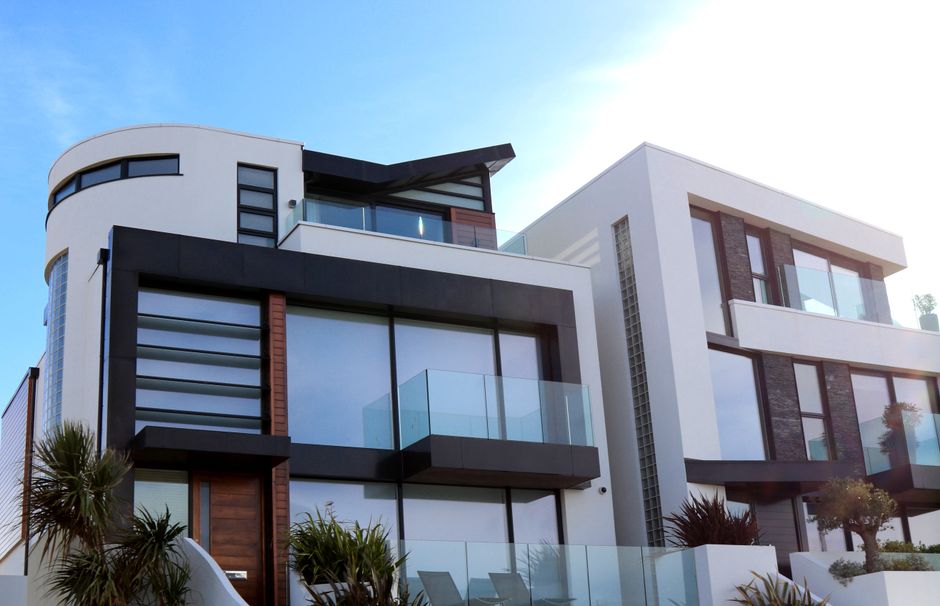
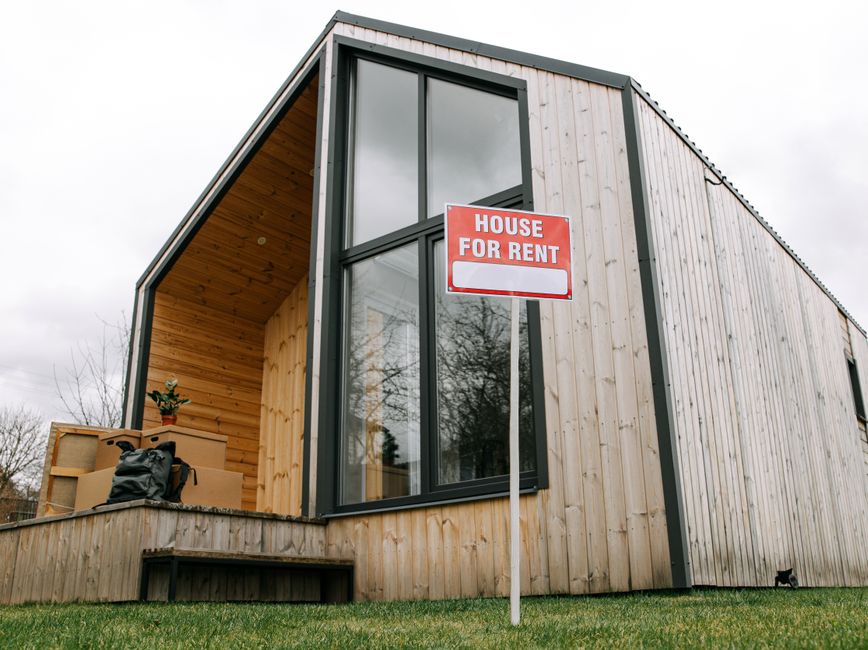
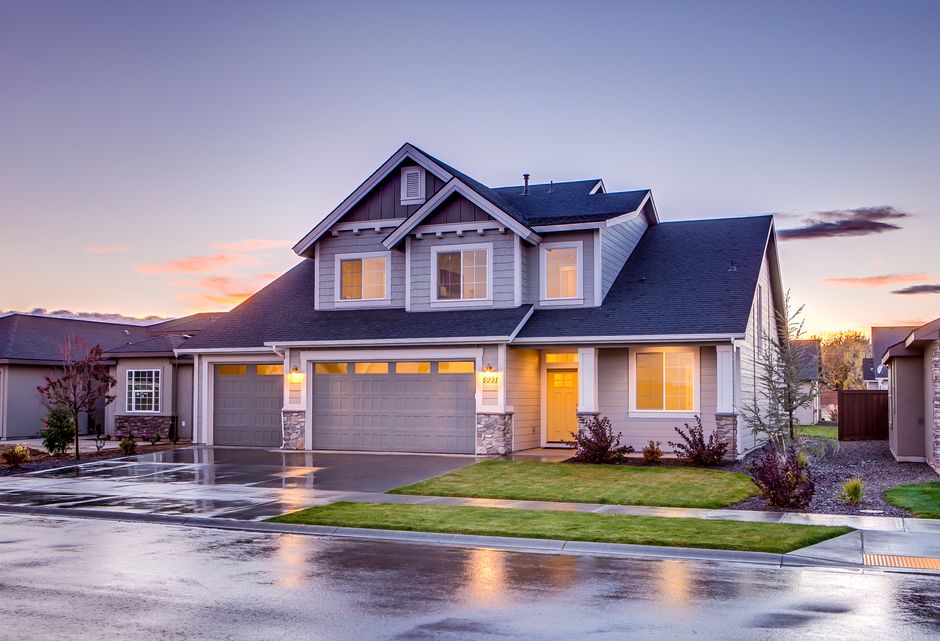
The city’s new build-to-rent supply, which is concentrated in neighborhoods like Corktown, Jefferson Chalmers, and Brush Park, offers perks largely absent from older rental stock. Residents get single-family layouts, attached garages, small yards, and up-to-date appliances—amenities that, until recently, often meant buying outright in suburban Detroit. "We saw a gap for renters wanting a real neighborhood feel, with privacy, but without the commitment or upfront costs," a Broder & Sachse representative told The Daily Detroit by phone. Unlike mom-and-pop landlords, institutional operators handle exterior maintenance, lawn work, and even appliance replacement, promising a hands-off lifestyle many tenants say they want post-pandemic.
For longtime apartment dwellers like East Village resident Alicia Brooks, downsizing to a condo with an HOA felt restrictive. "If I could have rented a modern three-bedroom house with a fenced yard last year, I wouldn’t have moved to the suburbs," she said as she toured a model unit at the Brush Park Community preview last weekend.
A Mixed Math for Would-be Renters
Still, monthly cost comparisons don’t tell the full story. As John Simons, research director at the Detroit Metropolitan Area Housing Partnership, points out, “A fixed rent gives certainty, but there’s no return on investment.” And local housing advocates note that many new build-to-rent units target higher-income brackets, raising concerns over affordability for the average Detroiter.
For families locked out of buying, the new communities offer upgraded living now and potential stability, since institutional operators often offer longer-term leases—up to three years in some cases. But tenants won’t build equity, and with rents set by market demand, those payments can climb fast if the neighborhood grows hot. According to recent Realcomp MLS data, rents for townhomes in Corktown have jumped 10% in the past year, and some developers have already hinted at annual rent reviews tied to inflation.
Over 1,200 build-to-rent units are now in the pipeline across Detroit, according to the city’s Housing and Revitalization Department. Tenants interested in the new wave should closely compare lease terms, consider future rent bumps, and weigh lifestyle priorities against the lost opportunity to build home equity. For those seeking modern amenities with less risk, the build-to-rent concept stands poised to change Detroit’s residential market in ways not seen since the city’s last condo boom. The first true “renter neighborhoods” could welcome residents as soon as February 2027, with pre-leasing windows already opening for priority applicants.