Property
How Much Rent Is Too Much? The 30% Rule in Practice in Detroit
As rent prices climb across Detroit, residents and experts reconsider if the old 30% affordability guideline still holds up.
3 min read
Property
As rent prices climb across Detroit, residents and experts reconsider if the old 30% affordability guideline still holds up.
3 min read
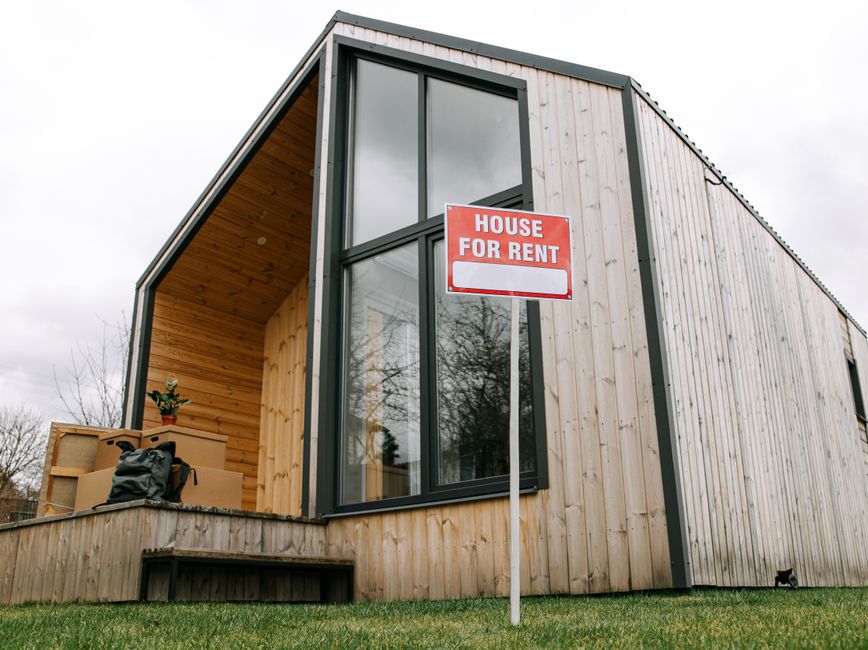
On Woodward Avenue in Midtown, a one-bedroom apartment at the historic Strathmore rents for $1,850 a month. That figure would require a single tenant to earn at least $74,000 a year to stay within the widely cited 30% of income affordability rule – but in Detroit, many residents make far less.
This matters more than ever as Detroit’s rental market tightens. Recent reports from the City of Detroit’s Housing and Revitalization Department show a city-wide median household income of $38,000 as of 2025. With rents rising not only in Midtown and Corktown but also in neighborhoods like Jefferson-Chalmers and East Riverfront, the tension between what renters are paying and what’s financially sustainable is front and center this summer.
The 30% rule—that rent and utilities should not exceed 30% of gross monthly income—dates back to federal housing policy in the 1980s. Yet local housing advocates, including Jefferson East, Inc., say Detroiters are increasingly forced to stretch that boundary. For a Detroit household earning the median income, affordable rent tops out at $950 per month. Yet census data released earlier this year shows median asking rents in Downtown and Midtown now exceeding $1,400, leaving many renters to make tough choices.
On Bagley Avenue in Corktown, Reverend James Blackwell, who runs programs at the Trinity Community Center, says more families are doubling up or seeking help with utilities. “Six years ago, $800 found you a decent spot near the train station,” Blackwell said of the area near Michigan Central. “Now, you’re lucky to get a studio for $1,200.” Most new apartment complexes along the riverfront, including those at Orleans Landing, are targeting tenants with incomes above the city median.
According to RentCafe, average rents citywide reached $1,175 in May 2026, a 6% year-over-year jump. In Northwest Detroit, the average is around $940, but competition is tight for quality units. The Detroit Housing Commission’s waitlist for Section 8 vouchers still tops 11,000 households, underscoring the gap between available affordable units and demand. The Detroit Land Bank Authority, meanwhile, continues converting surplus houses, but these often require too much renovation for low-income renters to afford the switch to ownership.
The consequences ripple out: More Detroiters are paying 35, even 40% of their income in rent, well above what economists consider healthy. Default rates on utilities and missed rent payments have trended up since late 2025, according to DTE Energy records shared with city council.
So, is the 30% rule still relevant? For most in Detroit, it’s a goal rather than a reality. Midtown’s top-end studios and Corktown’s historic walk-ups routinely demand more than the numbers suggest renters should pay. Advocates point to resources like the city’s new Detroit Housing Resource Helpline (launched January 2026) and the upcoming lottery for 88 affordable units at the Brush Park Ford Row development as signs of hope. Experts recommend budgeting realistically, exploring city-backed rental assistance programs, and keeping an eye on new affordable housing lotteries, especially as fall leasing season approaches.
As rents keep rising, Detroiters face tough financial math. The bottom line: If your rent and utilities add up to more than $950 and you’re earning the city median, you’re already above the classic 30% guideline. That’s forcing thousands to reassess what they can really afford—and pushing the city to rethink how it defines “affordable housing” in 2026.
Property
Property
Property
Property
About this article
Published by The Daily Detroit
Spread the word
Daily brief
Free, in your inbox before 7am. Weekdays.
The Daily Network — local news across Australia