Property
Detroit's Houses Leave Units Behind: What the Price Gap Means for Buyers and Sellers
Detached home prices jump ahead of apartments across key neighborhoods, exposing a growing divide in Detroit's property market.
4 min read
Updated 1 h ago
Property
Detached home prices jump ahead of apartments across key neighborhoods, exposing a growing divide in Detroit's property market.
4 min read
Updated 1 h ago
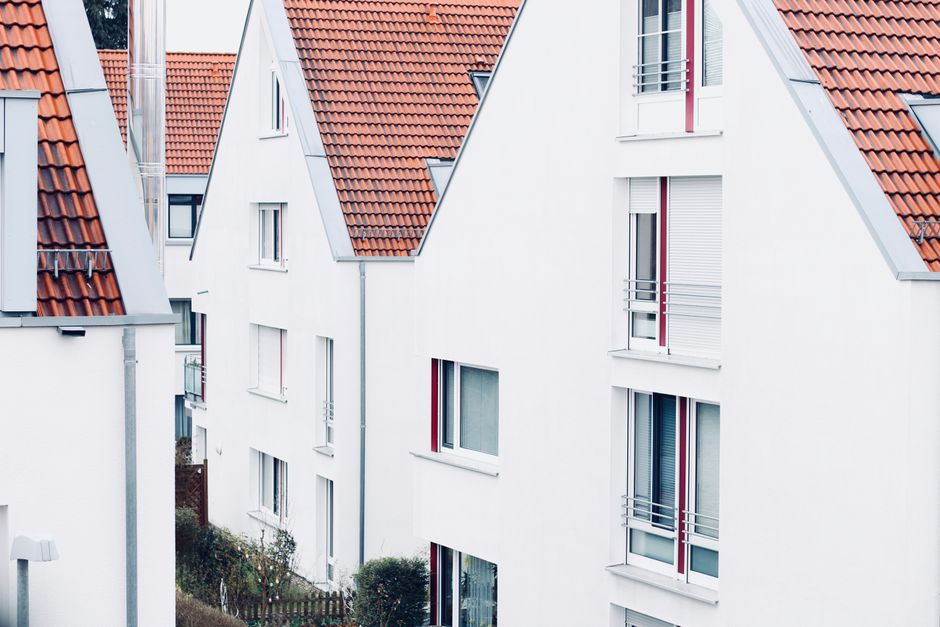
Homeowners selling detached houses in Detroit’s central ring have seen the median price outpace city apartments by more than $52,000 in the past year, a new analysis shows—a stark sign that pandemic-era market trends are still shaking out differently for buyers in the city of neighborhoods.
The gap between house and apartment (unit) prices is not just a curiosity for market-watchers. It's changing who can buy where in Detroit—especially as rising interest rates and property taxes hammer would-be first-time buyers. Lately, the divergence is shaping the face of revitalizing blocks from Grandmont Rosedale to Lafayette Park, deepening a class divide that’s left some Detroiters locked out of the most-desired single-family homes.
“We’re seeing working families and younger buyers priced out of houses in some pockets, steering them into condos or apartments,” said a local realtor from Midtown. “But unit prices are rising much more slowly, if at all—so the opportunities are splitting and that’s changing the kind of demand we’re seeing.”
Along West Grand Boulevard, detached homes in Grandmont Rosedale fetched a median sale price of $213,000 in June 2026, according to new figures from the Detroit Association of Realtors. Meanwhile, units in Riverfront Towers—a popular high-rise just south of the Huntington Place convention center—have edged up to a median of just $161,000. That $52,000-plus spread is the widest Detroit’s seen since mid-2021, when a post-lockdown buying frenzy sent house prices surging in neighborhoods with access to parks and good schools, while leaving many older downtown flats lagging.
Demand has shifted, too. At The Ashton Detroit in Downtown’s Capitol Park district, less than 20% of the building's units are owner-occupied—and investor resales on lower floors have actually dropped in value by eight percent since last summer, sales logs show. Yet, just two miles away on Woodward Avenue, open houses for brick colonials regularly draw lines down the sidewalk and spark bidding wars.
Fresh data from Realcomp II Ltd, a regional MLS, told the story in raw numbers: from January to June 2026, the average price for a free-standing house within city limits rose 9.3% to $236,900—compared with a modest 1.5% gain for units, which now average $175,350. The last time the house-unit price growth gap neared double digits was in 2020, but that spike quickly evened out. This year, momentum hasn’t slowed.
Analysts point to several causes: investors purchasing houses to flip or rent out (especially in stable, greened-up blocks near Palmer Park), continuing household formation among millennials, and new zoning incentives for detached multi-gen homes near University District and Bagley. Meanwhile, insurance costs and maintenance levies are weighing on apartment owners, and rules in buildings like The Albert have made short-term rentals harder—sapping investor interest.
So what does this mean for the next six months? For families desperate to buy a house, the message is clear: act quickly but be wary of overpaying, especially in high-demand corridors like Sherwood Forest. Sellers of detached homes can expect more interest, but buyers have become pickier and are demanding up-to-date electrical, heating, and kitchen appliances.
Would-be condo buyers may find more options and less competition, especially in established buildings along East Jefferson and Lafayette Park. Experts say to closely check homeowners’ association fees and look out for special assessments slated for next winter, which can erase any bargain.
The Detroit Homeownership Initiative will host a free workshop on July 18 at the Arab American National Museum on Michigan Avenue, offering guidance for both groups. With the city’s housing market as bifurcated as it’s been in years, stakeholders say knowing the difference between a unit and a house—on paper and in your budget—has rarely mattered as much as it does in 2026.
Property
Property
Property
Property
About this article
Published by The Daily Detroit
Spread the word
Daily brief
Free, in your inbox before 7am. Weekdays.
The Daily Network — local news across Australia