Property
Crunching the Numbers: Is Rent-Vesting the Smart Move in Detroit’s 2026 Housing Market?
With rents up and home prices diverging, Detroiters weigh the promise—and risks—of owning elsewhere while renting at home.
3 min read
Updated 1 h ago
Property
With rents up and home prices diverging, Detroiters weigh the promise—and risks—of owning elsewhere while renting at home.
3 min read
Updated 1 h ago

Rent-vesting is finding new converts in Detroit as home prices push deeper into the stratosphere in popular neighborhoods like Corktown and Brush Park, persuading some would-be buyers to stay renters in the city while putting their investment dollars into properties elsewhere.
The stakes are higher than ever. Rental prices in Midtown have climbed nearly 12% since last summer, with a two-bedroom at The Scott often topping $2,300 a month. But as mortgage rates hover close to 6.9%, buying your own piece of the city has slipped out of reach for many. The rising gulf between what it costs to rent versus buy has set the stage for renewed interest in the rent-vesting tactic—renting where you want to live, but buying where you can afford, often as a landlord.
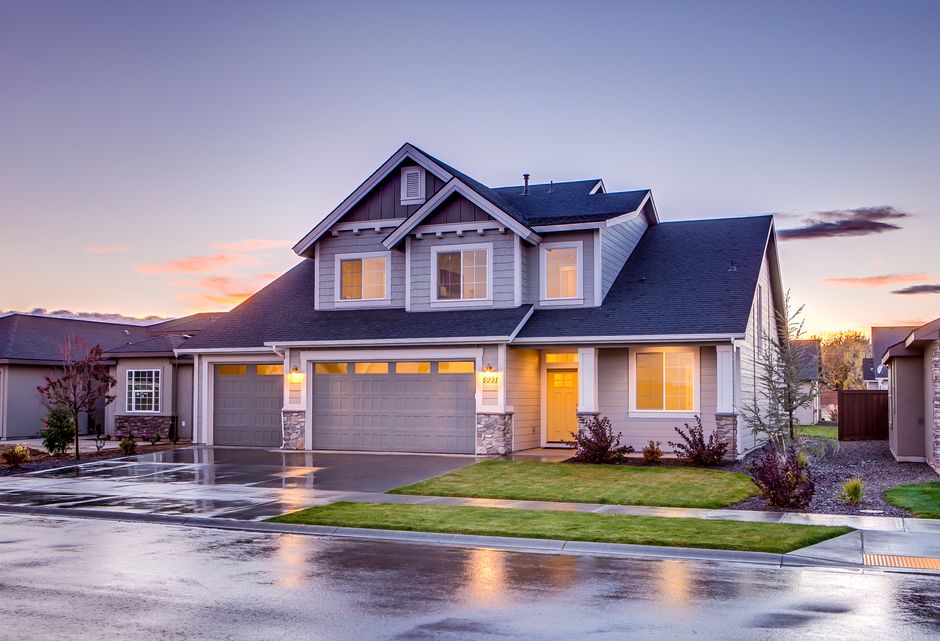
Keurig Sledge, financial adviser at Detroit Credit Union, told The Daily Detroit that more clients are weighing this hybrid path. Instead of scraping together $35,000 for a 10% down payment on a single-family home in downtown, renters are snapping up investment properties in less expensive zip codes like 48224 on Detroit's east side. In these pockets near Cadieux Road and Moross Avenue, habitable three-bedroom houses still list for under $120,000—and draw stable tenants through management firms like Real Property Management Metro Detroit.
Meanwhile, renters are renewing leases at buzzy addresses such as The Albert in Capitol Park, or newer mid-rise apartments near District Detroit. While the lifestyle perks are obvious—a walk to Nora or The Skip, new restaurants along Woodward, stadiums at your doorstep—few have the $400,000 needed for a down payment downtown, let alone the ability to stomach property tax bills that topped $8,500 last year for similar units in Brush Park.
According to the Detroit Association of Realtors, the citywide median sale price reached $192,300 in May, a year-over-year increase of 8.1%. In Core City, where startup culture and fresh retail have sparked a run on revamped duplexes, the average listing price now exceeds $320,000.
Yet rents haven't cooled either. Market research from RentCafe found that the average one-bedroom apartment in Midtown now rents for $1,810, up from $1,620 a year ago. That’s well within comparable range to cities like Cleveland or Pittsburgh, but with Detroit incomes lagging—median household income in Wayne County was just shy of $53,000 in 2025—affordability squeezes both renters and buyers.
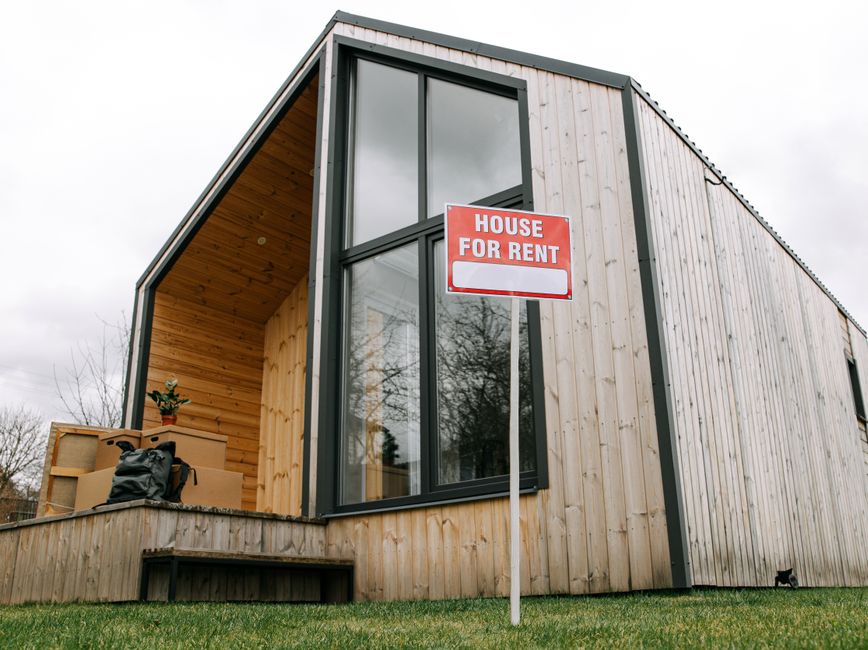
For rent-vestors, the math can work out. A $115,000 duplex in Jefferson Chalmers rented for $1,200 per side nets positive cash flow, while the owner continues to rent in a downtown high-rise. However, Detroit Land Bank Authority regulations and landlord licensing mean hands-on involvement or a local property manager is critical.
For those eyeing rent-vesting, experts urge caution. Crunch the numbers before committing: factor in taxes, potential vacancies, and property condition, especially in Detroit where renovation costs can balloon. Consider attending a Detroit Future City homebuyer seminar (next on July 18th) or consulting HUD-certified advisors at Southwest Solutions. As the city’s market keeps shifting, flexibility—and a sharp pencil—are crucial assets for any would-be rent-vestor.
Property
Property
Property
Property
About this article
Published by The Daily Detroit
Spread the word
Daily brief
Free, in your inbox before 7am. Weekdays.
The Daily Network — local news across Australia