The leafy streets of Huntington Woods remain a magnet for Detroiters seeking a stable investment. Even as home prices throughout Oakland County push higher, this pocket suburb has quietly retained its “blue-chip” allure—while still offering relative value compared to frothier neighbors such as Birmingham and Royal Oak.
It matters because, in a region redefined every quarter by sharp home value spikes and shifting migration patterns, true security for buyers has become rare. As families in Midtown and West Village have discovered, bidding wars can push prices well into the $700,000s for modest historic homes. Huntington Woods, nestled just north of the Detroit Zoo and bracketed by Woodward Avenue and Coolidge Highway, offers a counterexample: steady appreciation, high-quality schools and community, but less volatility.
Community Strength Backs the Numbers
Famed for its tree-lined streets such as Ludlow Avenue and Scotia Road, Huntington Woods is home to about 6,300 residents. The city’s namesake Recreation Center remains a community nucleus, and the Huntington Woods Library—one of metro Detroit’s most-used neighborhood libraries—anchors educational life. The Ferndale and Berkley school districts, both serving portions of the suburb, ranked among Oakland County’s top 10 districts this spring by GreatSchools.org.
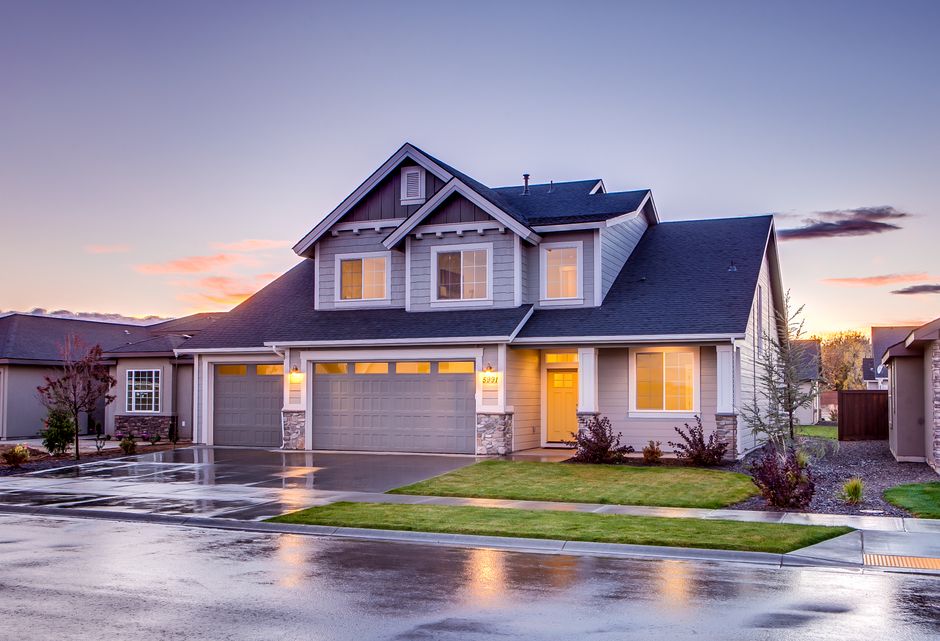
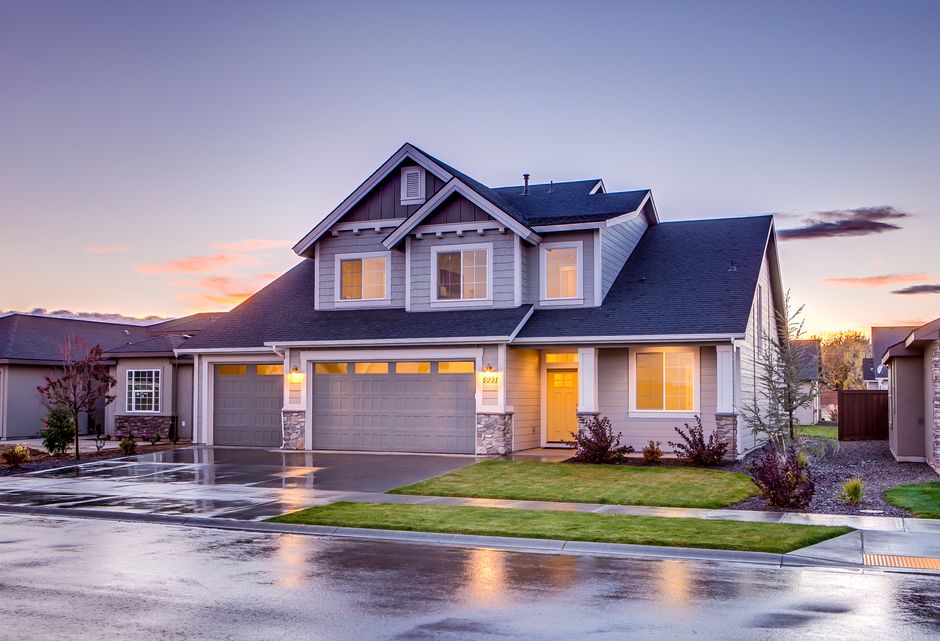
At a time when Royal Oak’s median home sale price surged past $480,000 in June 2026, Huntington Woods’ median came in slightly below at $474,000, according to Realcomp MLS data reviewed by The Daily Detroit. Inventory is scarce—just 18 homes were actively listed on July 1—but the ones that do come up are typically brick colonials or Tudors in the 2,000-2,700 square foot range, set back on generous lots. "You get that prized sense of privacy plus a real community spirit," says one local investor familiar with the area’s year-over-year appreciation of nearly 8% since 2023.
What to Watch—and Practical Moves for Buyers
While some potential buyers balk at tightening inventory and gently rising prices, realtors point out that the suburb’s fundamentals remain reassuringly strong. Newcomers should be aware that homes often sell within 12 days of listing (per Redfin data), well below the Metro Detroit average of 19 days. The city’s annual Neighborhood Block Party, slated for July 20 at Burton Community Park, illustrates the area’s neighborly tradition that continues to draw both families and long-term investors.
Would-be residents are advised to register early for open houses and make sure financing is in place before making an offer. With the next property tax assessment cycle due in September—and expectations of further tightening as buyers from higher-priced suburbs look to Huntington Woods for accessible value—the suburb’s blend of accessibility, stability and quality looks set to remain a Detroit-area benchmark. Keep a sharp eye on those new listings: if current trends hold, the city’s blue-chip status won’t remain a secret for long.