Property
Detroit Renters Test Strategy Separating Housing Costs From Investment Properties
Detroit renters weighing ownership options are testing a strategy that separates where they live from what they buy.
2 min read
Updated 1 h ago
Property
Detroit renters weighing ownership options are testing a strategy that separates where they live from what they buy.
2 min read
Updated 1 h ago
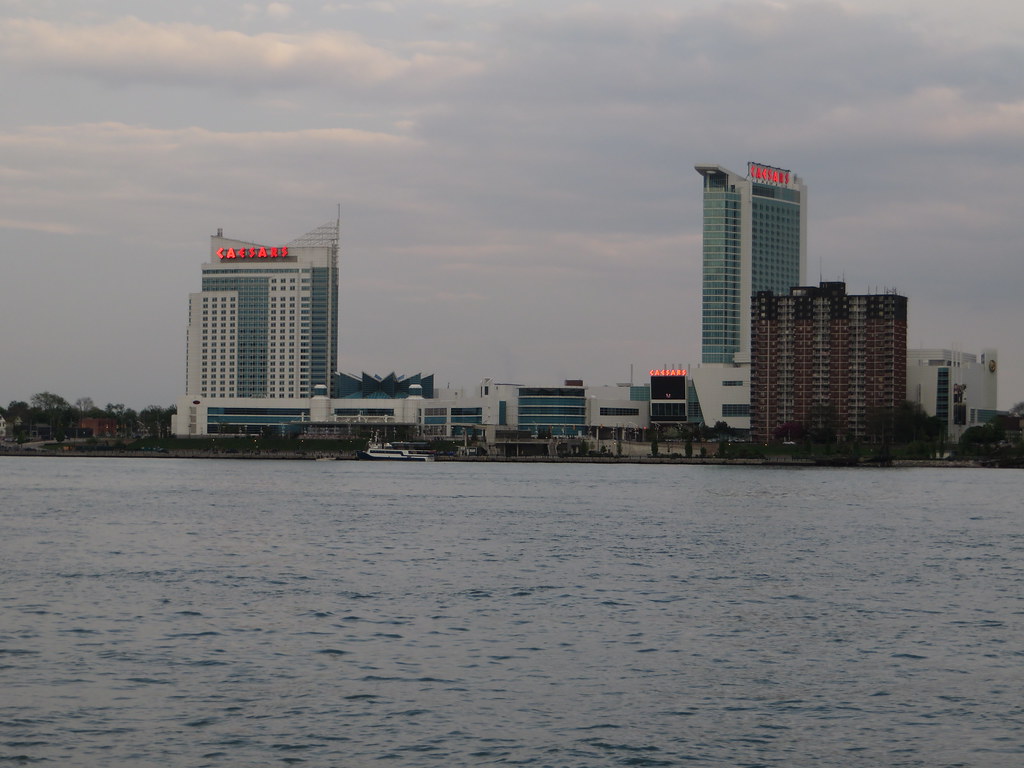
More Detroit households are renting in high-demand pockets while purchasing investment properties in lower-cost blocks, a pattern that has accelerated since spring 2026 as median sale prices climbed past $185,000 citywide.
The approach matters now because mortgage rates remain above 6.5 percent while rents in core neighborhoods have risen only 4 percent year-over-year, according to data compiled by the Detroit Metro Real Estate Board through June. Residents who once stretched to buy near their jobs are instead locking in lower monthly housing costs in one location and building equity elsewhere.
Take Midtown, where one-bedroom apartments near Wayne State University list for $1,650 to $1,900. Tenants there often direct savings toward purchases handled through the Detroit Land Bank Authority in neighborhoods such as the North End or along Gratiot Avenue, where single-family homes still trade between $95,000 and $130,000. The same pattern appears among workers at the Eastern Market who rent walk-up units on Russell Street yet close on duplexes in the Jefferson-Chalmers area that generate positive cash flow after repairs.
City programs support the split. The Detroit Land Bank Authority’s auction schedule released in May lists dozens of occupied structures eligible for owner-occupant or investor bids, while the Michigan State Housing Development Authority continues to offer down-payment assistance capped at $15,000 for properties under $200,000. Buyers using these tools report closing costs 18 percent lower than conventional routes.
June 2026 figures from the Wayne County Register of Deeds show 1,142 investor purchases inside Detroit limits, up 12 percent from the same month last year. Average rents in Corktown and Woodbridge sit at $1,780, while comparable square footage purchased on the city’s east side carries a mortgage payment near $1,050 when financed at current rates. The gap leaves roughly $500 monthly for maintenance reserves and property-management fees on the owned unit.
Next steps start with running the actual numbers for a target block. Prospective rent-vestors can pull the Land Bank’s July auction catalog, compare projected rents against mortgage quotes from local credit unions, and verify flood-zone status on the city’s open-data portal before placing bids. Those who clear those checks are closing on second properties within 90 days of signing their own leases.
About this article
Published by The Daily Detroit
Spread the word