culture
Detroit's Founders and Icons Built America's Motor City Culture
From the explorer who established the first settlement to the industrialist and musicians who followed, Detroit's story centers on the people behind its key developments.
How we reported this
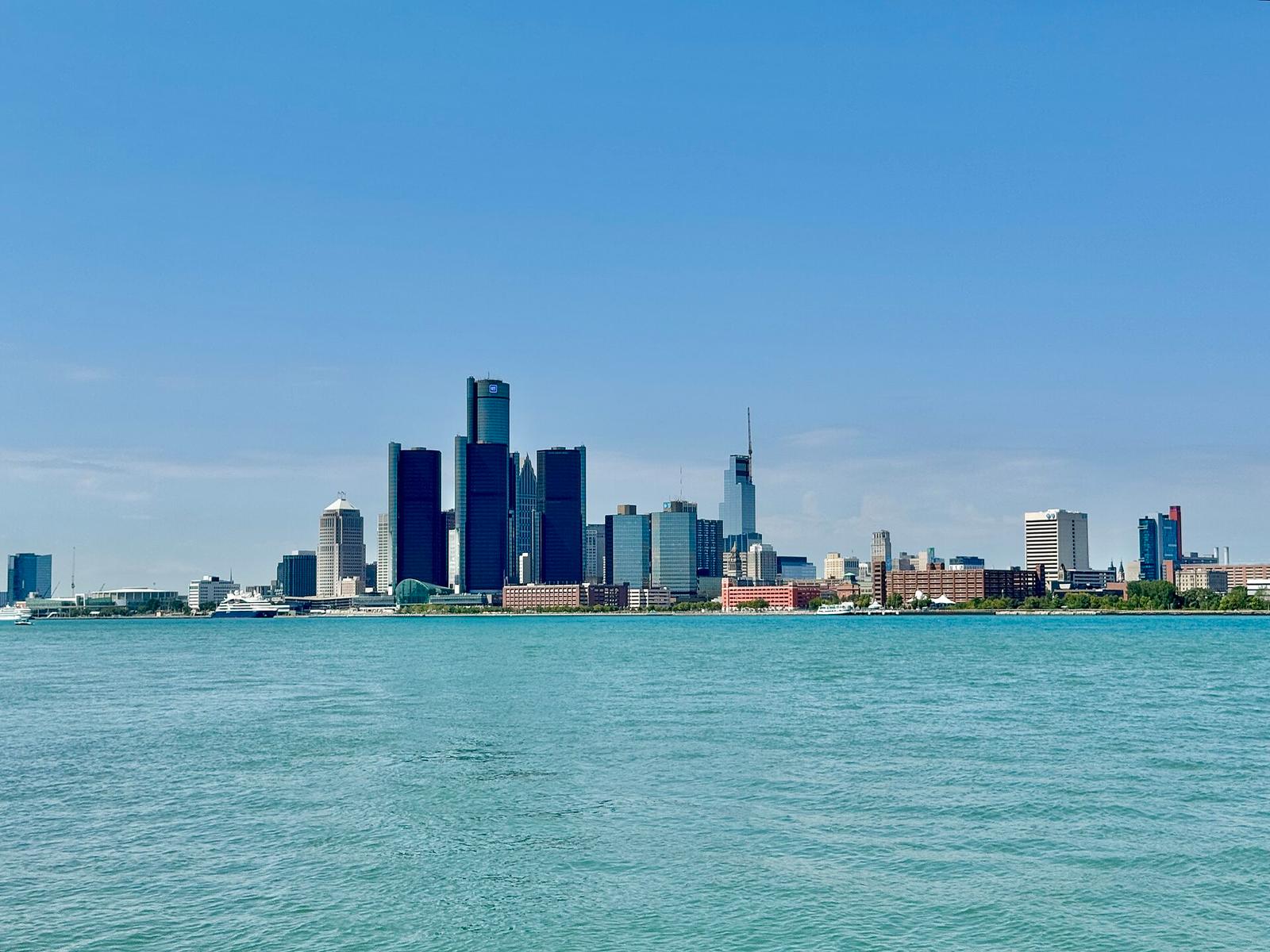
Detroit began as a French trading post in 1701 when explorer Antoine de la Mothe Cadillac established Fort Pontchartrain du Détroit, creating the first European settlement above tidewater in North America and one of the oldest cities in the Midwest.
The City's Founding and Early Development
Cadillac's decision to locate the outpost along the Detroit River positioned it as a strategic point for trade and later growth. This early choice set the stage for the city's expansion into a major center over the following centuries.
Industrial Leadership and Automotive Rise
Henry Ford advanced the city's role in manufacturing by introducing the moving assembly line in 1913, an innovation that reshaped production methods across industries and solidified Detroit's connection to the automobile sector.
Music Origins and Black History Contributions
Detroit became the birthplace of Motown Records, which launched the careers of artists including Stevie Wonder, Diana Ross, Marvin Gaye, and The Supremes. The city also originated techno music that later influenced electronic scenes worldwide. The Charles H. Wright Museum of African American History and the Gateway to Freedom International Underground Railroad Memorial at Hart Plaza preserve accounts of Detroit's role in Black history, including its function as a station on the Underground Railroad that helped over 5,000 enslaved people escape to Canada.
These elements remain accessible through established local institutions that present the documented record of the city's development. Residents and visitors can explore the Charles H. Wright Museum of African American History or the memorial at Hart Plaza to examine primary materials tied to these periods.