finance
Detroit's Job Market Braces for Economic Headwinds in 2026
Local job seekers and businesses confront overlapping economic hurdles as Detroit’s employment landscape adapts to national and global pressures.
How we reported this
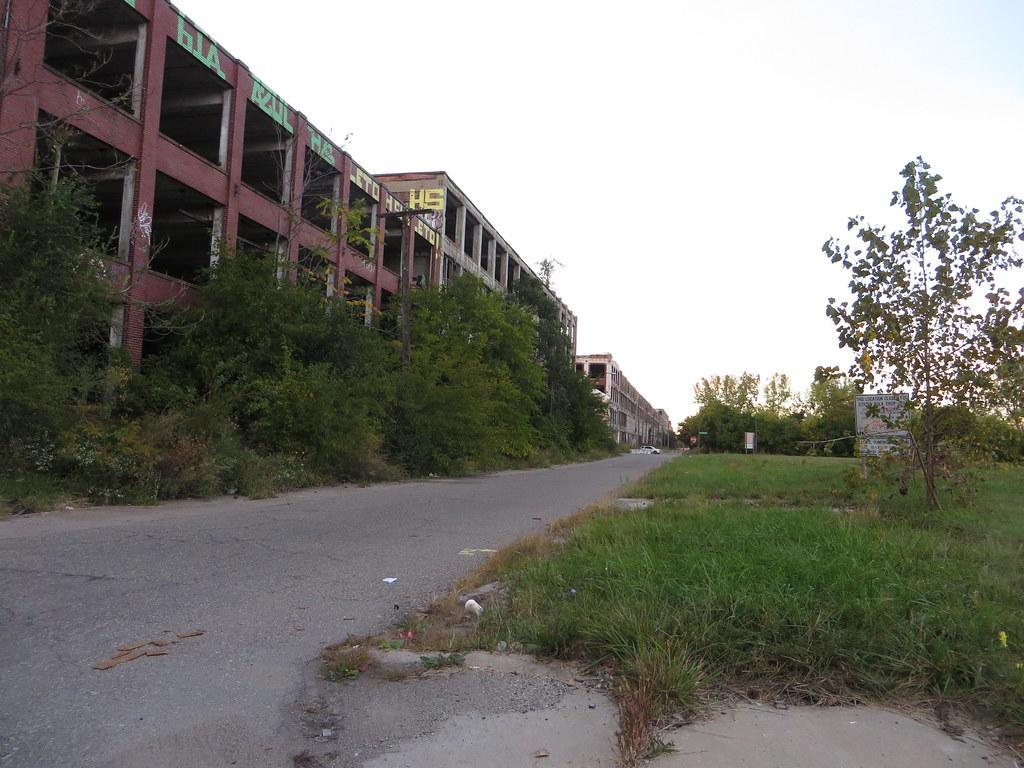
Detroit’s employment sector is confronting a series of challenges in 2026 that are testing both workers and employers alike. Economic uncertainties and external geopolitical tensions are contributing to a cautious hiring environment, complicating recovery efforts in this crucial industrial hub.
Why Employment Matters Now
The struggles faced by Detroit’s employment market matter deeply to the city’s broader economic health. Being a city with a vibrant business scene, Detroit depends on consistent job growth to sustain incomes, consumer spending, and overall stability. Recent global tensions, including ongoing conflict in the Middle East and disruptions to international trade routes, have increased economic volatility. While these issues are not directly local, the city’s economy is linked through supply chains and investment flows, which are now experiencing more headwinds.
Local Dynamics Shaping the Job Market
Within Detroit, many of the traditional manufacturing sectors that once provided steady jobs have shifted toward automation and leaner operations, shrinking opportunities even as they increase productivity. Meanwhile, emerging sectors such as technology and services have yet to fully absorb the workforce displaced from manufacturing. Programs and initiatives aimed at retraining workers are in place, but the pace of change strains resources.
Moreover, workers face challenges beyond just availability of roles. Rising housing costs in neighborhoods close to business districts, coupled with infrastructure gaps, create barriers to consistent employment. Recent economic stress has led some residents to reconsider relocation, impacting workforce stability.
Employers report increased caution in expansion plans, influenced by uncertainties in global supply chains tied to events such as ongoing tensions affecting the Strait of Hormuz. These international disruptions ripple into local business confidence, making hiring freezes or slower recruitment common.
Evidence of Ongoing Headwinds
While specific Detroit employment figures from 2026 are pending release, qualitative indicators highlight these headwinds. Across the U.S., geopolitical tensions between the U.S. and Iran have escalated in recent months, complicating oil markets and fostering economic unease. These factors indirectly affect Detroit’s economy, known for its role in the automotive industry reliant on energy costs and commodity pricing.
Locally, anecdotal reports from business groups suggest uncertainty is leading to conservative budgeting and workforce planning. The combination of external shocks and evolving domestic market demands continues to make the employment outlook murky.
For workers, this means the job market requires flexibility and reskilling, often involving public and private sector partnerships to provide relevant training. For businesses, balancing operational needs with market unpredictability is a daily challenge.
Looking Ahead: Navigating Employment Uncertainty
In the months ahead, Detroit’s employment landscape will likely continue to grapple with these headwinds. Effective collaboration between economic development organizations, employers, and workforce agencies will be key to mitigating impacts. Job seekers can benefit from available retraining programs and should maintain adaptability as industry demands evolve.
Businesses similarly will need to weigh strategic investments carefully, acknowledging the broader economic environment’s pressures. While specific growth drivers may be slower to manifest, Detroit’s foundational strengths offer a platform for eventual recovery once global stability improves.
This article is general information only and is not personal financial or investment advice. Consider your own circumstances and seek licensed professional advice before making financial decisions.